
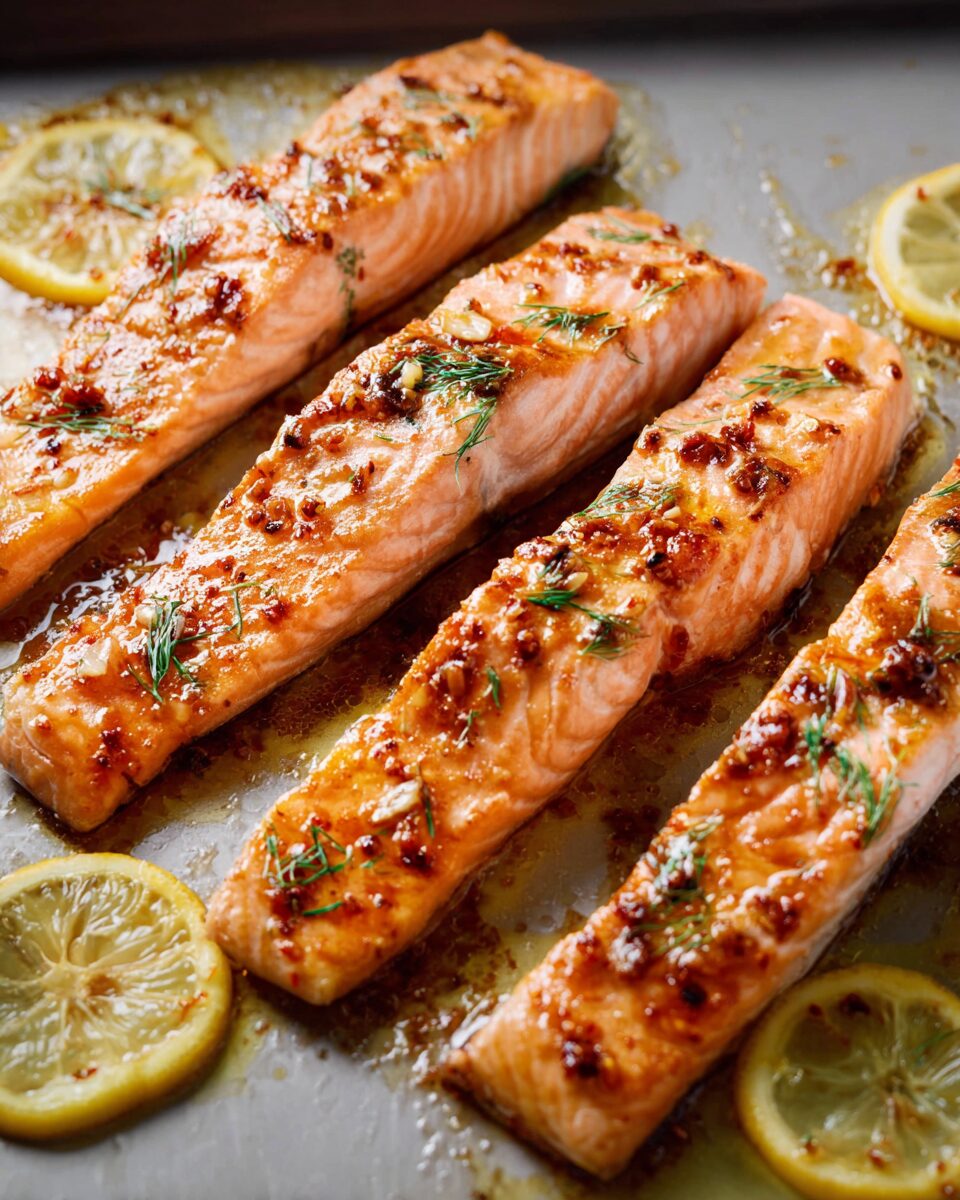
Few dishes manage to be both incredibly simple and undeniably elegant, and baked salmon is one of them. It’s the kind of recipe that feels right for every occasion — from a cozy weeknight dinner to a refined dinner party centerpiece. There’s something timeless about a perfectly baked fillet of salmon, with its buttery texture, golden edges, and that tender, melt-in-your-mouth quality that makes each bite feel like a small luxury.
For me, baked salmon represents the balance between nourishment and indulgence. It’s healthy, packed with omega-3 fatty acids, lean protein, and essential nutrients, yet it tastes rich and satisfying. You don’t need fancy sauces or complicated marinades — just a few fresh ingredients, a dash of olive oil, and the right baking technique to let the salmon’s natural flavors shine.
The origins of cooking salmon go back centuries. Indigenous communities across the Pacific Northwest roasted salmon over open flames and cedar planks, celebrating it as a vital food source and cultural symbol. Scandinavian traditions brought us cured gravlax, while the French perfected salmon en papillote — steamed delicately in parchment with herbs and citrus. But baking salmon in a home kitchen is perhaps the most accessible and foolproof method of all. It’s quick, reliable, and yields consistently juicy results without requiring special tools or hours of preparation.
I remember the first time I baked salmon properly — not overcooked, not dry, but tender, rosy, and full of flavor. It was on a Sunday evening after a trip to the local market, where I’d picked up a glistening fillet of wild-caught salmon. With little more than lemon, olive oil, and herbs, I baked it until just opaque in the center. When I pulled it out, the kitchen filled with a light, savory aroma that felt comforting and sophisticated all at once. Since then, this dish has become a go-to in my weekly rotation — a reliable favorite that never disappoints.
The beauty of baked salmon lies in its versatility. You can dress it up with garlic butter and herbs, give it an Asian-inspired glaze with soy and ginger, or keep it light with fresh dill and lemon. Serve it hot with roasted vegetables or cold over a crisp salad — it’s delicious either way. And the best part? It’s ready in under 30 minutes, with minimal cleanup.
This recipe for Perfectly Baked Salmon is all about celebrating simplicity done well. It’s not just about feeding yourself — it’s about slowing down, savoring fresh ingredients, and appreciating how something so quick and easy can taste so special. Whether you’re new to cooking or a seasoned home chef, this dish proves that sometimes the simplest recipes are the most rewarding.
Full Recipe
Ingredients
For the Salmon:
- 4 salmon fillets (6 oz / 170 g each), skin-on preferred
- 2 tablespoons olive oil
- 1 ½ tablespoons fresh lemon juice (about ½ lemon)
- 1 teaspoon lemon zest
- 2 garlic cloves, finely minced
- 1 teaspoon salt
- ½ teaspoon freshly ground black pepper
- 1 teaspoon Dijon mustard (optional, for added tang)
- 1 tablespoon honey or maple syrup (optional, for a hint of sweetness)
- 2 tablespoons chopped fresh herbs (such as dill, parsley, or thyme)
- Lemon slices, for garnish
Optional Glaze (for a flavor boost):
- 1 tablespoon soy sauce
- 1 tablespoon melted butter
- 1 teaspoon honey
- ½ teaspoon grated fresh ginger (optional)
Optional Garnish:
- Fresh dill sprigs
- Cracked black pepper
- Flaky sea salt
Directions
Step 1: Preheat and Prepare
- Preheat your oven.
Set it to 400°F (200°C). This is the sweet spot for baked salmon — hot enough to crisp the edges but gentle enough to keep the center tender and moist. - Line your pan.
Place a sheet of parchment paper or foil on a large baking tray. This prevents sticking and makes cleanup effortless. - Pat the salmon dry.
Use paper towels to gently blot away excess moisture. This step is essential for ensuring the surface can caramelize slightly as it bakes.
Step 2: Season the Salmon
- Make the marinade or rub.
In a small bowl, whisk together olive oil, lemon juice, garlic, salt, pepper, lemon zest, and herbs. If you’re using honey or mustard, whisk those in as well. - Coat the salmon.
Place the fillets on the prepared baking sheet, skin-side down. Brush or spoon the mixture evenly over each fillet, ensuring every surface is covered. - Add lemon slices.
Lay thin slices of lemon over each piece of salmon — not only does this infuse flavor, but it also looks beautiful when serving. - Marinate briefly (optional).
Let the salmon sit for about 10–15 minutes at room temperature. This allows the flavors to seep in while taking the chill off the fish, helping it cook more evenly.
Step 3: Bake to Perfection
- Bake uncovered.
Place the tray in the center rack of your oven. Bake for 10–14 minutes, depending on the thickness of your fillets. A general rule of thumb: bake for 4–6 minutes per ½ inch of thickness. - Check for doneness.
The salmon should be just opaque in the center and flake easily with a fork. The internal temperature should reach 125–130°F (52–54°C) for medium, or up to 140°F (60°C) if you prefer it fully cooked. - Rest the salmon.
Remove from the oven and let it rest for 3–5 minutes. This short resting period helps the juices redistribute, keeping every bite moist. - Add the optional glaze (if using).
While the salmon rests, brush it lightly with the soy-butter-honey glaze for an extra layer of glossy flavor.
Chef’s Note: Overbaking is the most common mistake with salmon. Always check it a few minutes early — it’s better slightly underdone than dry.
Step 4: Serve and Enjoy
- Plate it beautifully.
Serve the fillets with a wedge of lemon, a sprinkle of fresh herbs, and a light drizzle of olive oil or glaze. - Pair with sides.
Baked salmon goes perfectly with roasted vegetables, steamed asparagus, garlic mashed potatoes, or a fresh grain salad like quinoa or couscous. - For a lighter option, serve it flaked over a bed of mixed greens with vinaigrette for a satisfying, protein-rich salad.
Serving Suggestions & Variations
1. Garlic Herb Butter Salmon
Top each fillet with a small pat of herb butter before baking. Combine softened butter with minced garlic, parsley, and a squeeze of lemon. As it bakes, the butter melts into the fish, creating a rich, velvety flavor.
2. Honey Mustard Baked Salmon
Whisk together equal parts Dijon mustard and honey with a splash of olive oil. Spread this mixture over the salmon before baking for a sweet and tangy glaze.
3. Asian-Inspired Miso Glazed Salmon
Mix 2 tablespoons of white miso paste with 1 tablespoon soy sauce, 1 tablespoon rice vinegar, and 1 teaspoon sesame oil. Spread over the fillets before baking and garnish with sesame seeds and scallions.
4. Mediterranean-Style Salmon
Add cherry tomatoes, Kalamata olives, red onion slices, and crumbled feta to the baking tray. Bake everything together for a bright, savory meal full of color and texture.
5. Maple Soy Glaze
For a deeper, caramelized flavor, brush the salmon with a mixture of 1 tablespoon maple syrup, 1 tablespoon soy sauce, and 1 teaspoon grated ginger. Bake as directed, then broil for 1–2 minutes for a glossy finish.
6. Lemon Dill Yogurt Sauce (Serving Option)
Mix Greek yogurt with fresh dill, lemon juice, and a pinch of salt. Spoon over baked salmon for a cool, creamy contrast.
Tips & Tricks
Choosing the Best Salmon
- Wild-caught vs. farmed: Wild salmon tends to have a richer flavor and firmer texture, while farmed salmon is often fattier and milder. Both work beautifully for baking — just adjust the seasoning accordingly.
- Freshness test: Fresh salmon should smell clean, not “fishy.” The flesh should look moist, vibrant, and firm to the touch.
- Frozen salmon: If using frozen fillets, thaw them overnight in the refrigerator and pat dry before seasoning.
Perfect Baking Tips
- Don’t overcook! Remove the salmon from the oven just before it’s fully done — the residual heat will finish the job.
- Use parchment or foil. It keeps the fish from sticking and preserves moisture.
- Add moisture. A few lemon slices, a drizzle of olive oil, or even a splash of white wine in the pan helps create gentle steam.
Flavor Enhancements
- Fresh herbs like dill, thyme, and parsley bring brightness.
- Crushed garlic adds depth and warmth.
- A sprinkle of flaky salt at the end enhances texture and flavor.
Storage & Make-Ahead
- Refrigerate: Store leftover salmon in an airtight container for up to 3 days.
- Reheat: Gently warm in a 300°F (150°C) oven or enjoy cold in salads or sandwiches.
- Meal prep: Baked salmon is excellent for meal prep — pair with rice, quinoa, or roasted veggies for balanced, ready-to-go meals.
Common Mistakes to Avoid
- Baking too long (results in dryness).
- Not seasoning enough — salmon benefits from generous salt and citrus.
- Starting with cold salmon straight from the fridge — always bring it to room temperature before baking.
Nutritional Info (per serving)
(Based on a 6 oz fillet with olive oil and lemon)
- Calories: 380 kcal
- Protein: 35 g
- Fat: 24 g
- Carbohydrates: 2 g
- Fiber: 0 g
- Sugar: 1 g
- Cholesterol: 85 mg
- Sodium: 420 mg
- Omega-3 Fatty Acids: Approx. 2,000 mg
This dish is a powerhouse of nutrition — rich in high-quality protein, heart-healthy omega-3 fats, vitamin D, and selenium. It’s perfect for anyone seeking a clean, nourishing meal that supports overall wellness without sacrificing flavor.
Additional Info
- Prep Time: 10 minutes
- Cooking Time: 14 minutes
- Total Time: 24 minutes
- Calories per Serving: ~380 kcal
- Servings: 4
Final Thoughts
There’s an art to cooking salmon — finding that balance between tender and flaky, flavorful yet simple. This Perfectly Baked Salmon recipe captures that balance beautifully. It’s a reminder that the best dishes don’t have to be complicated; they just require care, attention, and respect for good ingredients.
When the salmon emerges from the oven — glistening, aromatic, and vibrant — you’ll understand why this has become a timeless favorite in kitchens everywhere. It’s elegant enough for guests but easy enough for busy weeknights. Every bite feels fresh, wholesome, and full of life.
Serve it with a squeeze of lemon, a glass of crisp white wine, and maybe some roasted vegetables or wild rice, and you have a meal that feels restaurant-worthy yet comforting and homemade.