
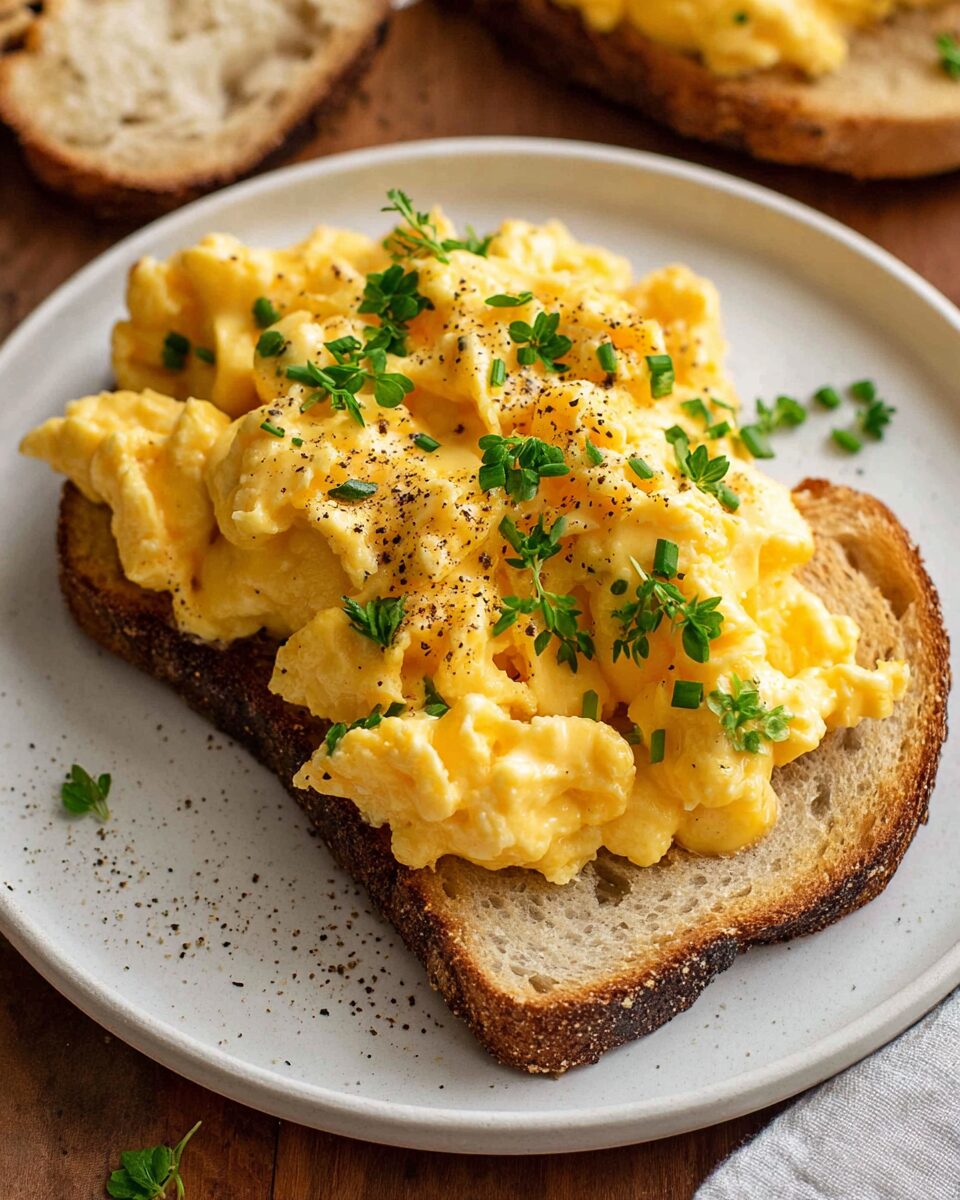
There’s something magical about scrambled eggs — soft, golden, and creamy, with a texture so velvety it practically melts in your mouth. They’re one of the simplest dishes in the culinary world, yet they reveal so much about the cook behind the stove. Perfect scrambled eggs aren’t just food; they’re comfort, care, and craftsmanship all whisked together in a single pan.
From humble beginnings to haute cuisine, scrambled eggs have transcended cultural and culinary boundaries. Every country — every household, really — has its own way of making them. Some prefer them soft and custardy, others firm and lightly browned; some enrich them with cream or butter, while others keep them pure with only salt and pepper. Whether you grew up eating them on buttered toast on sleepy Sunday mornings or savoring them slowly in a café overlooking a city square, scrambled eggs are a universal language of comfort and simplicity.
A Brief History
The art of cooking eggs dates back thousands of years. Ancient Romans were among the first to document dishes resembling scrambled eggs, often beating eggs with milk and honey before cooking them gently over fire. Later, the French transformed the humble egg into an elegant affair — introducing œufs brouillés, their version of soft, luxurious scrambled eggs cooked low and slow in butter until perfectly creamy.
In England and America, scrambled eggs took on a more rustic form — cooked quickly over higher heat, often folded with cheese, herbs, or cream. Today, scrambled eggs appear on breakfast tables across the world — from the simplest farmhouse kitchen to the most refined brunch café — proof that true comfort never goes out of style.
Why They’re Special
Scrambled eggs are more than just a breakfast food; they’re a blank canvas. Their simplicity allows you to experiment endlessly — adding cheeses, herbs, vegetables, meats, or even truffle oil. They’re a gentle start to the day but also elegant enough to serve at a brunch gathering.
The beauty of scrambled eggs lies in the balance between science and art. Too hot, and you’ll end up with rubbery curds; too cold, and the eggs stay runny. But when cooked with patience and care, they transform into a creamy, silky dish that tastes far greater than the sum of its ingredients.
The secret? Low and slow. The gentle heat coaxes out the eggs’ natural richness, allowing small, delicate curds to form without losing moisture. It’s a dance between temperature and timing — one that rewards you with perfect texture every time.
So whether you’re a beginner learning to master the basics or an experienced cook perfecting your brunch game, scrambled eggs are the ultimate culinary teacher.
Full Recipe
Ingredients
- 4 large eggs (preferably free-range or organic for richer flavor)
- 2 tablespoons whole milk or heavy cream (optional for extra creaminess)
- 1 tablespoon unsalted butter
- Salt, to taste (about ¼ teaspoon)
- Freshly ground black pepper, to taste
- Optional toppings: chopped chives, shredded cheese, herbs, smoked salmon, avocado slices, or toast for serving
Directions
Step 1: Choose the Right Pan
The pan matters more than you think. A nonstick skillet or a well-seasoned stainless steel pan ensures the eggs don’t stick and allows you to control heat better. Choose one with a heavy base for even heat distribution.
A small pan works best for 2–4 eggs; larger pans can spread the mixture too thin and cause overcooking.
Step 2: Beat the Eggs Gently
Crack the eggs into a bowl and whisk with a fork or balloon whisk until the whites and yolks are just combined. Avoid overbeating — you don’t want to incorporate too much air. The goal is a uniform yellow mixture without streaks of white or yolk.
If you’re adding milk or cream, whisk it in now. This adds moisture and helps create a silkier texture, though purists argue that great scrambled eggs need nothing but eggs and butter.
Pro tip: Adding a small pinch of salt to the raw eggs helps break down the proteins and ensures a softer, creamier result.
Step 3: Heat the Pan Low and Slow
Place your skillet over low heat and melt the butter slowly. Don’t rush this step — you want the butter to foam gently without browning. The foam indicates it’s hot enough to start cooking without scorching.
When the butter begins to bubble softly, pour in the beaten eggs.
Step 4: Stir, Pause, and Stir Again
Now comes the magic. Using a rubber spatula or wooden spoon, stir the eggs continuously in slow, circular motions. The goal is to move them gently across the pan so that the edges cook while the center remains liquid.
After 20–30 seconds, you’ll notice soft curds beginning to form. Keep stirring, scraping the bottom and sides to prevent sticking. When the eggs start thickening but still look a little undercooked, remove the pan from the heat. The residual heat will finish cooking them perfectly.
Chef’s insight: The key to creamy scrambled eggs is knowing when to stop. They should be slightly glossy and just set — not dry or rubbery.
Step 5: Season and Serve
Once off the heat, season with salt and pepper. Stir once more to distribute the seasoning evenly. If you like, add cheese, herbs, or a touch of cream at this stage — the residual heat will melt and blend everything beautifully.
Serve immediately on warm buttered toast, inside a croissant, or alongside crispy bacon and roasted tomatoes.
Serving Suggestions & Variations
Scrambled eggs are infinitely adaptable — here are a few ways to keep them fresh and exciting:
1. Creamy French-Style Scrambled Eggs
Cook the eggs over the lowest heat possible, stirring constantly. This method takes patience (around 10 minutes) but results in luxurious, custard-like eggs. Finish with a dollop of crème fraîche or butter for an indulgent texture.
2. Cheesy Scrambled Eggs
Just before the eggs are fully set, fold in shredded cheddar, feta, or goat cheese. The cheese melts into the eggs, adding richness and depth. A touch of cream cheese creates an ultra-creamy version.
3. Herbed Scrambled Eggs
Stir in finely chopped chives, parsley, dill, or basil right before serving. The herbs add color, freshness, and brightness that cut through the richness of the eggs.
4. Veggie Scramble
Add sautéed spinach, mushrooms, bell peppers, or onions to turn your scrambled eggs into a full breakfast meal. Cook the vegetables first, then pour the eggs into the same pan for convenience.
5. Protein-Packed Scramble
Mix in diced ham, smoked salmon, turkey, or even crumbled sausage for a heartier option. Top with avocado slices or salsa for a balanced, protein-rich breakfast.
6. Spicy Scramble (Tex-Mex Style)
Add a pinch of chili flakes, cumin, or diced jalapeños for a kick of heat. Finish with shredded Monterey Jack cheese and a spoonful of salsa for a vibrant twist.
7. Dairy-Free or Vegan Scramble
Swap out eggs for crumbled tofu or chickpea flour batter. Use olive oil or vegan butter instead of dairy butter. Season with turmeric for a golden hue and nutritional yeast for a cheesy flavor.
Tips & Tricks
- Don’t overheat the pan. High heat makes eggs tough and rubbery. Gentle heat keeps them soft and moist.
- Use fresh eggs. Older eggs lose structure, leading to watery results. Fresh eggs produce fluffy, cohesive curds.
- Add salt early. Seasoning before cooking helps tenderize the proteins, resulting in a smoother texture.
- Stir continuously but gently. This ensures even cooking and prevents sticking.
- Remove from heat before done. Eggs continue cooking after removal due to residual heat.
- Use butter, not oil. Butter adds flavor and creaminess that oil can’t replicate.
- Experiment with dairy. For richer eggs, add a splash of heavy cream or half-and-half; for lighter eggs, use milk or skip dairy altogether.
- Serve immediately. Scrambled eggs lose their softness as they sit, so serve them hot off the pan.
- Avoid overcrowding. Cook small batches to maintain control over texture and temperature.
- Add finishing touches. A sprinkle of flaky salt, a pat of butter, or a drizzle of truffle oil can elevate even the simplest scramble.
Nutritional Info (per serving)
- Calories: ~210 kcal
- Protein: 13 g
- Carbohydrates: 1 g
- Fat: 16 g
- Saturated Fat: 7 g
- Cholesterol: 375 mg
- Sodium: 180 mg
- Sugars: 0 g
(Values based on a 2-egg serving made with butter and a splash of milk. Add-ins will change totals.)
Additional Info
- Prep Time: 5 minutes
- Cooking Time: 7 minutes
- Total Time: 12 minutes
- Calories per serving: ~210 kcal
- Servings: 2
Final Thoughts
Scrambled eggs might seem simple, but that’s exactly what makes them beautiful. They’re the kind of dish that rewards mindfulness — the slow stir, the soft texture, the subtle transformation from liquid gold to creamy curds. It’s about patience, timing, and a little love.
Whether you make them for yourself on a quiet morning or for loved ones gathered around the breakfast table, scrambled eggs always bring a sense of comfort and care. They remind us that even the most ordinary ingredients can create something extraordinary when treated with attention and respect.
So next time you crack a few eggs into a bowl, slow down. Take your time. Cook them gently. And when you take that first bite — buttery, warm, and delicate — you’ll understand why scrambled eggs are, and always will be, a timeless classic.