
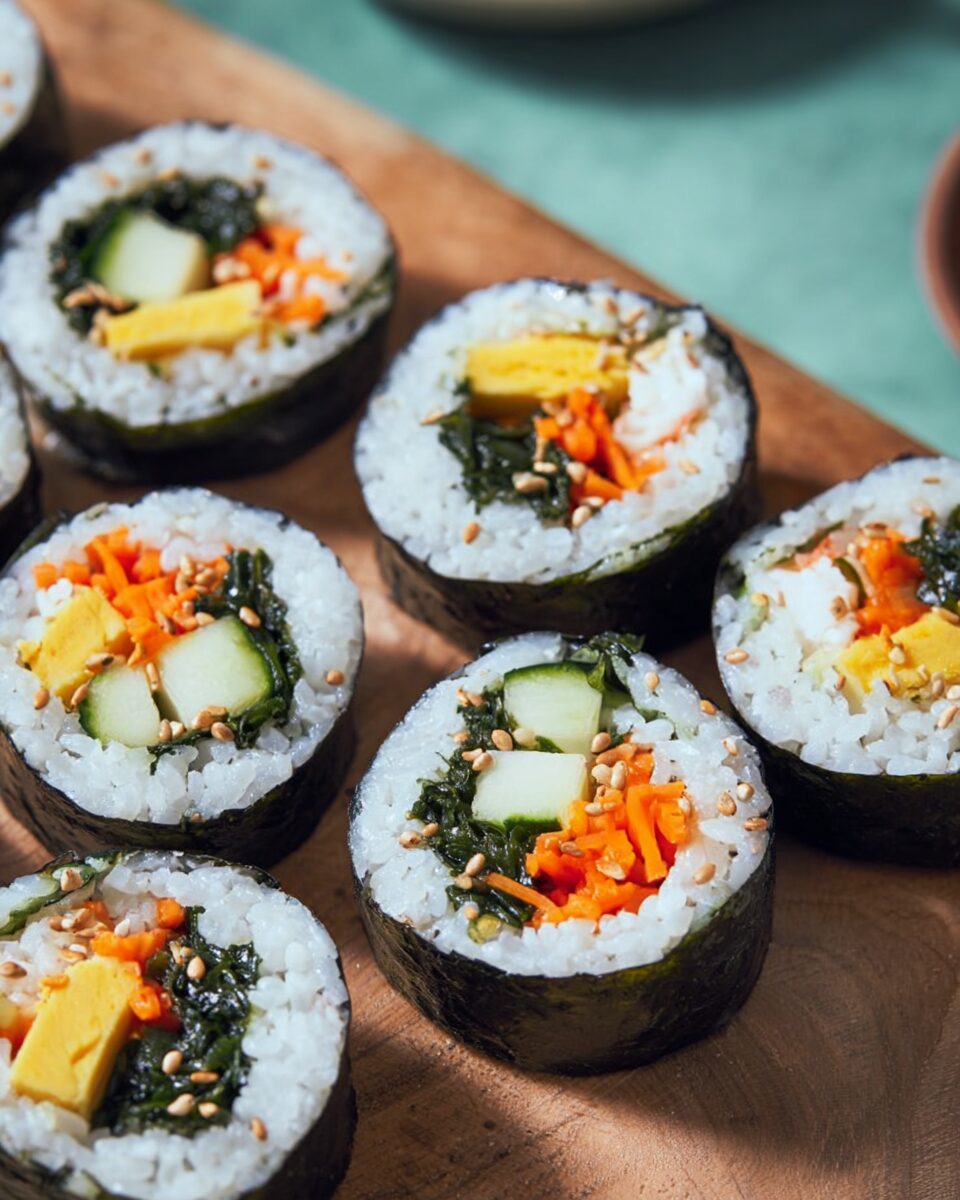
If there’s one dish that perfectly captures the heart of Korean home cooking — colorful, comforting, and deeply personal — it’s Kimbap (also spelled Gimbap). These beautiful seaweed rice rolls are a staple of Korean cuisine and culture, loved for their balanced flavors, versatility, and portability. Whether packed for school lunches, picnics, road trips, or family gatherings, Kimbap is more than just food — it’s a symbol of care, warmth, and tradition.
At first glance, Kimbap may remind you of Japanese sushi rolls, but the similarities are mostly visual. While both use rice and seaweed, Kimbap stands out for its unique flavor profile, ingredients, and cultural meaning. The rice is seasoned with sesame oil instead of vinegar, giving it a nutty aroma, and the fillings are typically cooked or pickled, creating a medley of textures and tastes — savory, slightly sweet, and deeply satisfying.
Kimbap, literally meaning “seaweed (kim) + rice (bap),” is a beloved dish that represents the spirit of bento-style Korean meals — beautifully balanced, nutritious, and visually appealing. It’s often prepared at home by parents for their children’s lunchboxes (dosirak), or shared during outings, hikes, or beach trips. In Korea, it’s also a comfort food that reminds people of their childhood — the taste of home packed neatly into a roll.
Each family has its own variation. Some prefer traditional Kimbap with beef, spinach, carrots, pickled radish, and egg, while others make versions with tuna, bulgogi, kimchi, or even cheese. The fillings are flexible, allowing endless creativity. What unites all versions, however, is the harmony of flavors and the care that goes into making them.
Rolling Kimbap is an art — it’s about layering colors and textures, balancing sweet and salty, soft and crunchy, and making sure every bite tells a story. From the glossy sesame-scented rice to the vibrant vegetables wrapped in crisp seaweed, Kimbap embodies the beauty of Korean culinary philosophy: simple ingredients elevated through thoughtful preparation.
So today, we’ll dive deep into how to make perfect Kimbap at home — step by step. Whether you’re new to Korean cuisine or already a fan, this guide will help you master this wholesome dish that’s as fun to make as it is to eat.
Full Recipe
Ingredients
For the Rice
- 2 cups short-grain white rice (or sushi rice, about 400 g)
- 2 cups water (for cooking rice)
- 1 tablespoon sesame oil
- ½ teaspoon salt
- 1 teaspoon roasted sesame seeds
For the Fillings
- 2 eggs
- 1 medium carrot, julienned
- 1 small cucumber, julienned (optional: lightly salted to remove excess water)
- 6–8 strips of danmuji (yellow pickled radish)
- 6–8 crab sticks (kani kama) or imitation crab
- ½ cup blanched spinach (seasoned lightly with sesame oil and salt)
- ½ pound (225 g) seasoned beef (bulgogi or ground beef sautéed with soy sauce and sugar)
- 1 tablespoon soy sauce
- ½ teaspoon sugar
- 1 tablespoon sesame oil
For Assembly
- 6–8 sheets roasted seaweed (gim or nori)
- Extra sesame oil for brushing the rolls
- A bamboo sushi mat (makisu) for rolling
Directions
Step 1: Cook and Season the Rice
- Rinse the rice: Place the rice in a bowl and rinse under cold water 3–4 times until the water runs mostly clear. This removes excess starch and prevents stickiness. Drain well.
- Cook the rice: Add rice and 2 cups of water to a rice cooker or pot. Cook according to your rice cooker’s instructions or bring to a boil, then reduce heat to low, cover, and simmer for about 15 minutes. Let it rest for 10 minutes after cooking.
- Season the rice: Transfer the hot rice to a large mixing bowl. Add sesame oil, salt, and sesame seeds. Gently fold the rice using a rice paddle or spatula — avoid mashing it. Allow it to cool slightly before rolling (lukewarm is best).
- Tip: If the rice cools too much, it won’t stick properly to the seaweed.
Step 2: Prepare the Fillings
Each ingredient should be neatly prepared and lined up before rolling.
1. Egg Omelet
- Crack two eggs in a bowl, whisk lightly, and season with a pinch of salt.
- Heat a non-stick pan over medium heat, add a bit of oil, and pour in the egg mixture.
- Swirl to form a thin layer. Cook until set, flip gently, and cook another 10 seconds.
- Transfer to a cutting board and slice into long, narrow strips.
2. Carrots
- Heat 1 teaspoon oil in a skillet. Add the julienned carrots and a small pinch of salt.
- Stir-fry for about 1–2 minutes until just softened but still bright. Set aside.
- Tip: Don’t overcook — you want the carrots to retain their crunch and color.
3. Cucumber
- Slice into thin matchsticks. Sprinkle with a pinch of salt and let sit for 10 minutes.
- Gently squeeze out excess water. This prevents sogginess inside the roll.
4. Spinach
- Blanch spinach in boiling water for 30 seconds, then immediately transfer to ice water to stop cooking.
- Drain, squeeze out water, and season lightly with salt and a few drops of sesame oil.
5. Beef Filling (Optional)
- In a small skillet, heat 1 tablespoon sesame oil. Add beef, soy sauce, and sugar.
- Cook until browned and slightly caramelized. Set aside to cool slightly.
6. Danmuji (Pickled Radish) and Crab Sticks
- These are typically ready to use — simply cut into long strips to match the length of your seaweed sheets.
Once all ingredients are prepped, arrange them neatly in small bowls or on a platter. Having everything ready makes assembly quick and smooth.
Step 3: Assemble the Kimbap
Now comes the fun (and artistic) part — rolling!
- Prepare your rolling station: Place a bamboo sushi mat on a clean surface. Lay one sheet of roasted seaweed (shiny side down) on top.
- Spread the rice: Using a rice paddle or clean hands lightly coated in sesame oil, spread about ¾ cup of rice evenly over ⅔ of the seaweed sheet. Leave about 2 inches (5 cm) of seaweed uncovered at the top edge — this will help seal the roll.
- Layer the fillings: Arrange one strip each of egg, carrot, cucumber, spinach, danmuji, and beef (or crab stick) horizontally across the center of the rice. Don’t overfill — balance is key!
- Roll tightly:
- Start rolling from the side closest to you, using the bamboo mat to guide the roll forward.
- Apply gentle but firm pressure as you roll, tucking the fillings in snugly.
- Once rolled, press the bamboo mat around the roll to compact it evenly.
- Seal the edge: Dab a little water or rice at the top edge to seal the roll.
- Brush and slice: Brush the outer surface lightly with sesame oil for shine and to prevent dryness. Using a sharp knife, cut into ½-inch slices, wiping the knife with a damp towel between cuts for clean edges.
You should now have perfectly glossy, tightly rolled kimbap with beautifully layered fillings — a rainbow of textures inside!
Serving Suggestions & Variations
1. Classic Beef Kimbap (Traditional Style)
This version uses seasoned beef, spinach, egg, and carrot — the most common combination you’ll find at home and in Korean convenience stores. It’s rich, savory, and beautifully balanced.
2. Tuna Mayo Kimbap (Chamchi Kimbap)
Mix canned tuna with mayonnaise and a pinch of salt and pepper, then use it as the protein filling. Add cucumber and pickled radish for crunch. It’s creamy, refreshing, and especially popular for picnics.
3. Vegetarian Kimbap
Skip the meat and add extra vegetables — try bell peppers, avocado, sautéed mushrooms, or roasted sweet potato. A sprinkle of crushed sesame seeds adds more depth.
4. Kimchi Kimbap (Kimchi Bap)
Mix finely chopped kimchi and a little gochujang (Korean red pepper paste) into the rice before rolling. The result is a spicy, tangy twist on the classic.
5. Cheese or Spam Kimbap (Modern Twist)
Add a strip of melted cheese or lightly pan-fried Spam for a fusion flavor. These variations are popular among younger generations and make great comfort food.
6. Low-Carb or Brown Rice Version
Substitute white rice with brown rice or cauliflower rice for a healthier option. You’ll still get that satisfying texture with a wholesome twist.
Tips & Tricks
- Use short-grain rice: It’s stickier than long-grain rice, helping the roll hold its shape.
- Don’t overfill: It’s tempting, but too many fillings make rolling difficult and cause tearing.
- Keep hands oiled: A little sesame oil on your hands prevents rice from sticking while spreading.
- Knife care: Always use a sharp knife when slicing — dull blades will crush your roll.
- Make-ahead option: Kimbap tastes best the day it’s made but can be wrapped tightly in plastic wrap and stored in the fridge for up to 24 hours.
- Avoid moisture: Too much water in cucumbers or spinach can make the seaweed soggy — always squeeze excess liquid.
- Serving tip: Serve with kimchi, pickled radish, or miso soup for a balanced meal.
Nutritional Info (Per Serving)
| Nutrient | Amount |
|---|---|
| Calories | 320 kcal |
| Protein | 14 g |
| Carbohydrates | 38 g |
| Fat | 12 g |
| Fiber | 3 g |
| Sodium | 450 mg |
Note: Nutritional values vary based on ingredients and portion size.
Additional Info
- Prep Time: 30 minutes
- Cooking Time: 25 minutes
- Total Time: 55 minutes
- Calories per serving: 320 kcal
- Servings: 4 rolls (about 24–30 slices total)
Final Thoughts
Kimbap is more than just a recipe — it’s an experience. From the rhythmic process of chopping vegetables and seasoning rice to the meditative art of rolling, each step connects you to the essence of Korean home cooking. It’s food made with care, meant to be shared and enjoyed wherever life takes you.
What makes Kimbap so special is its versatility. You can tailor it to your taste, season, or occasion. It’s a complete meal in one bite — grains, protein, and vegetables all wrapped in one delicious roll. The balance of flavors — the nutty rice, the savory fillings, the crisp seaweed — ensures that every slice feels satisfying and harmonious.
Whether you’re making it for a picnic, a lunchbox, or a simple family meal, Kimbap brings a sense of joy to the table. It’s vibrant, wholesome, and deeply comforting. Once you’ve made it from scratch, you’ll understand why it’s a cherished part of Korean cuisine — a dish that embodies love, care, and creativity.
So, roll up your sleeves, get your ingredients ready, and try your hand at making Kimbap: Korean Seaweed Rice Rolls. It’s a beautiful dish that celebrates both flavor and togetherness — and one that will quickly become a favorite in your own kitchen, too.