
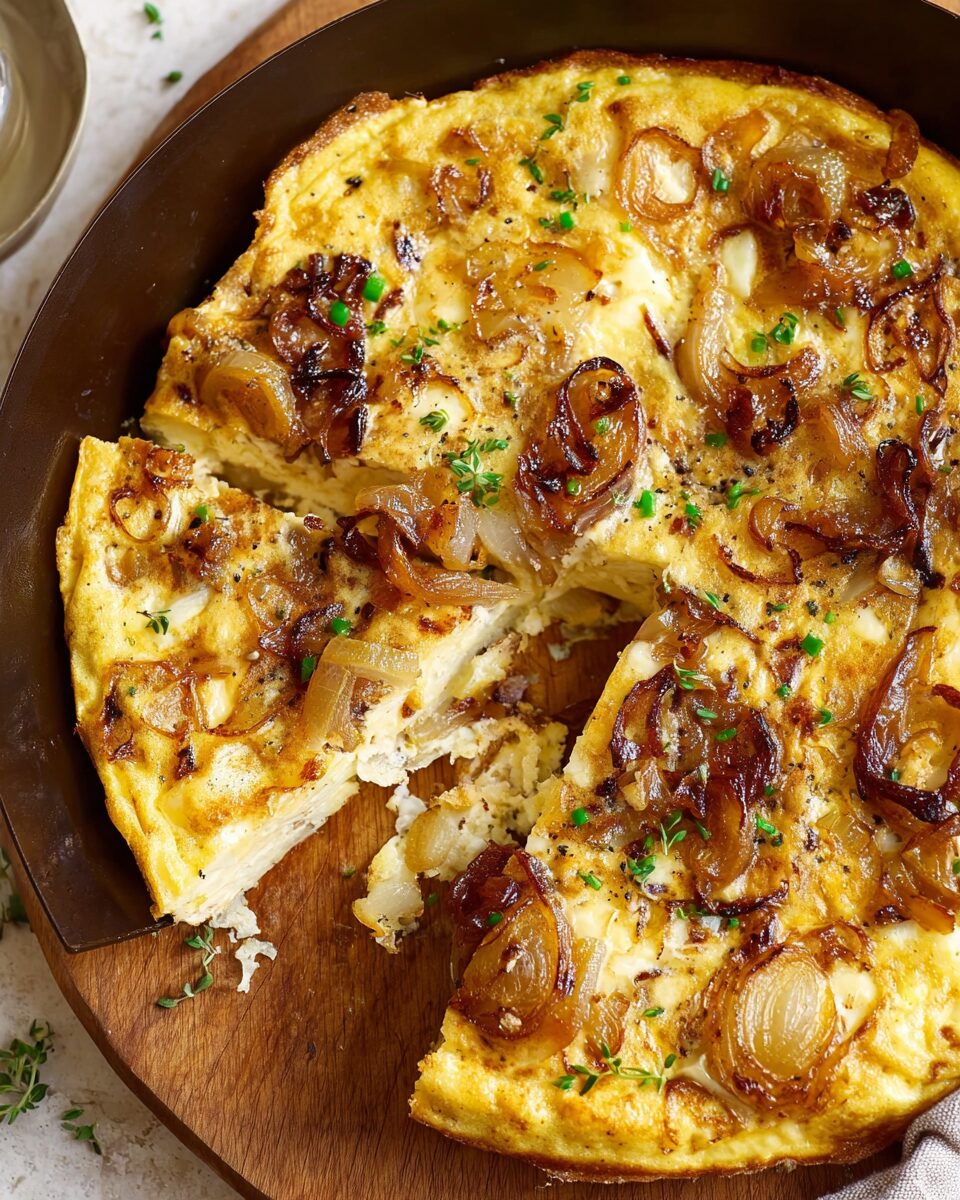
There’s something beautifully rebellious about making pizza on the stovetop—a method that defies tradition, sidesteps the oven’s heat, and gives you a crisp, bubbling crust and gooey cheese in a fraction of the time. This is not just convenience—it’s home cooking innovation at its smartest. The moment your skillet sizzles, the dough hits the hot surface, the cheese melts, and the pepperoni starts to curl, you realize you’re discovering a whole new kind of pizza ritual.
Pizza is one of the most universal comfort foods, and its history traces back centuries. The flatbread topped with tomato and cheese that we know as modern pizza began in Naples, Italy, in the late 18th and early 19th centuries. (Wikipedia) But as home cooks, we’ve discovered countless creative ways to make it: in the oven, on the grill, in the backyard pizza oven—and yes, right on the stovetop. One of the most thorough modern explorations of stovetop or skillet pizza was done by J. Kenji López‑Alt for Serious Eats, demonstrating how you can get crisp, puffy, tender crust with just a pan and burner. (Serious Eats)
Why is this method special? For starters, it’s accessible. No big oven pre-heat, no high-temperature pizza stone required. Just a skillet, a good burner, and your favorite toppings. For small apartments, hot kitchens, or impromptu meals, stovetop skillet pizza is pure magic. And beyond convenience, the crust has a crisp bottom from direct contact with the pan and a tender interior from steam and heat—resulting in a texture that feels midway between traditional oven pizza and pan-fired flatbread.
On a more personal note: I remember one summer evening when my oven broke down. I still wanted pizza but didn’t want to wait or send dough tilting my kitchen into a steamy inferno. So I grabbed my heavy skillet, pre-heated it until it hissed, slapped on dough, tomato sauce, cheese, and toppings—and in under 10 minutes we were eating hot pizza, skillet-style, under the stars on our balcony. That memory now anchors this recipe: quick, joyful, perfect for unexpected pizza cravings.
In this post, I’ll walk you through everything you need to know to make a perfect stovetop skillet pizza: from choosing dough and pan, to mastering the crust, to layering toppings and serving it up. Whether you’re doing a solo skillet pizza for one, or making two for family dinner, you’ll learn how to rock the skillet method. And by the end, you’ll never think of pizza the same way again.
Full Recipe
Ingredients
For the Dough (½ of a 12-inch pizza; double for larger or 2 pizzas):
- 1 cup (125 g) all-purpose flour, plus extra for dusting
- ⅔ cup (160 ml) lukewarm water (~100 °F / 38 °C)
- ½ teaspoon (2 g) active dry yeast
- ½ teaspoon (3 g) sugar
- ¼ teaspoon (1.5 g) salt
- 1 tablespoon (15 ml) olive oil, plus extra for coating
For the Skillet Pizza:
- 2-3 tablespoons (30-45 ml) olive oil (for pan and crust)
- ½ cup (≈120 ml) pizza sauce (your favorite)
- 1 cup (≈100 g) shredded mozzarella cheese
- ½ cup (≈50 g) shredded Parmesan or provolone cheese (optional for extra flavor)
- ¼ teaspoon dried oregano
- ½ teaspoon red pepper flakes (optional)
- Toppings of your choice:
- 10-12 slices pepperoni
- ½ small red onion, thinly sliced
- ½ green bell pepper, thinly sliced
- ¼ cup sliced black olives
- Fresh basil leaves (for finishing)
For Serving:
- Freshly torn basil
- Drizzle of high-quality extra-virgin olive oil
- Crushed chili flakes
- Optional: garlic butter (1 tablespoon butter melted + ½ teaspoon minced garlic + ½ teaspoon chopped parsley) for the crust edge
Directions
1. Prepare the Dough
Why it matters: The dough is the foundation of your pizza—its texture, rise, and elasticity determine everything that follows.
In a medium bowl, whisk 1 cup flour, yeast, sugar, and a pinch of salt. Add lukewarm water and 1 tablespoon olive oil, mixing until a rough shaggy dough forms. Turn onto a lightly floured surface and knead for about 5–7 minutes until smooth, elastic, and slightly tacky. If the dough is too sticky, add a light dusting of flour (a teaspoon at a time); avoid over-flouring.
Place the dough ball into a lightly oiled bowl, turning once so it’s coated. Cover with plastic wrap or a clean kitchen towel, and let it rest in a warm spot for about 30-45 minutes, or until doubled in size.
Pro tip: If you have time (and want extra flavor), you can refrigerate the dough for 8-24 hours. Slow fermentation develops a richer taste and better crust.
2. Preheat and Prepare the Skillet
Why it matters: Proper pan temperature and preparation are key to achieving a crisp, golden crust instead of a soggy or undercooked base.
Place a heavy skillet (cast-iron or heavy stainless steel with lid) on the stovetop over medium-high heat. After 2-3 minutes, add 2 tablespoons olive oil and let it swirl to coat the base and sides. The oil acts as a barrier between dough and pan, helping create a crisp crust and even browning.
Dust your working surface and roll out your dough to about 10-inch (25 cm) diameter, leaving a slightly thicker edge for the crust lip. If the dough resists, let it rest for 5 minutes and try again—it’s important not to over-stretch or the crust will tear.
3. Cook the Crust Bottom
Why it matters: Cooking the bottom first allows the crust to set and crisp before toppings go on, which prevents sogginess and ensures structure.
Carefully transfer the shaped dough into the hot, oiled skillet. Press gently to fit, making sure it touches the sides for edge development. Cook the dough uncovered for about 2-3 minutes, or until you see a thin golden-brown crust forming underneath. Use a spatula to peek—when the underside is browned, it’s ready for toppings.
Reduce heat to medium-low before adding sauce and toppings to avoid burning the crust once you cover.
4. Add the Sauce, Cheese and Toppings
Why it matters: Layering thoughtfully ensures toppings melt and cook properly without over-cooking the crust.
Spread ½-cup pizza sauce evenly over the crust, leaving a ~½-inch edge. Sprinkle 1 cup mozzarella and ½ cup Parmesan/provolone if using. Then add your toppings (pepperoni, vegetables, etc.). Finish with dried oregano and red pepper flakes for flavor and aroma.
If you want, you can brush the exposed crust edge with garlic butter for a savory enhancement.
5. Cover and Finish Cooking
Why it matters: Covering the skillet traps heat and helps cheese melt and toppings cook evenly, replicating the effect of an oven’s ambient heat.
Place a lid on the skillet and cook for 4-5 minutes, checking occasionally. The aim is for cheese to melt, toppings to warm, and edges to crisp. After this phase, if your skillet is oven-safe and you want a more browned top, you can pop it under the broiler for 1-2 minutes. (If your stove doesn’t have a broiler, you can skip this.)
When the cheese is bubbly and begins to brown slightly, and the crust edge is firm and golden, you’re done. Use a spatula to gently lift the pizza out onto a cutting board.
6. Slice, Garnish and Serve
Let the pizza rest for 1-2 minutes (just enough so toppings set slightly). Sprinkle with fresh torn basil and drizzle a little extra-virgin olive oil. For extra flair, crush a few chili flakes or add a pinch of sea salt.
Use a pizza cutter or sharp knife to slice into 6–8 portions. Serve hot, straight from the skillet or transferred to plates.
Serving Suggestions & Variations
1. Margherita Stovetop Skillet Pizza
Keep it classic: fresh tomato slices or sauce, fresh mozzarella, basil leaves, and a drizzle of olive oil. Less complexity, maximum elegance.
2. Veggie Lover’s Version
Swap pepperoni for sautéed mushrooms, roasted red peppers, spinach, artichoke hearts and finish with goat cheese or feta. A wholesome, colorful twist.
3. BBQ Chicken Skillet Pizza
Use BBQ sauce instead of tomato sauce, shredded cooked chicken, red onion slices, cilantro, and cheddar-mozzarella blend. Sweet, smoky, irresistible.
4. Gluten-Free / Cauliflower Crust Version
Use a pre-made gluten-free dough or make a cauliflower-based crust. The skillet method works just as well. Top with your favorite combos and enjoy the same crisp texture.
5. Dessert Skillet Pizza
Yes: sweet crust. Roll out dough, brush with butter, sprinkle cinnamon-sugar, add sliced fruit (apples, pears) or Nutella, cover and cook 3-4 minutes, then top with a scoop of vanilla ice cream.
Tips & Tricks
- Pan choice matters: A heavy cast-iron skillet works best for heat retention and crisp crust; nonstick can work but may give a less crisp result.
- Dough temperature: Room-temperature dough stretches more easily; cold dough springs back.
- Pre-heat pan properly: Too cool, and crust becomes soggy; too hot and bottom burns. Aim for hot but stable medium-high.
- Oil your pan: This not only prevents sticking but gives the crust a golden, “fried” underside.
- Avoid overload: Too many toppings trap steam and prevent crisping. Light, even layer is better.
- Cover the skillet: Traps heat and melts cheese; if you skip this, you’ll risk raw toppings or unmelted cheese.
- Make-ahead tip: You can mix dough up to a day ahead and keep in the fridge. Bring to room temp before cooking.
- Leftover trick: Re-heat slices in the skillet for 1-2 minutes—crust stays crisp, unlike microwave.
- Storage: Store leftover pizza airtight in the fridge up to 2 days. Re-crisp on skillet—not microwave—to keep crust texture.
- Substitution ideas:
- Use part-whole-wheat flour for dough.
- Use vegan cheese for dairy-free version.
- Swap tomato sauce for pesto or white-sauce base for variety.
- What to avoid: Overcooking the bottom crust. Once you see deep brown near the edge, toppings are ready. Also avoid soggy toppings (dry mushrooms, pat dry).
Nutritional Info
(Approximate per 10-inch pizza, 4 servings)
- Calories: ~380 kcal
- Protein: ~14 g
- Fat: ~16 g
- Carbohydrates: ~42 g
- Fiber: ~2 g
- Sugar: ~3 g
- Sodium: ~520 mg
Depending on toppings and cheese amount, nutrition varies. For lighter option use part-skim mozzarella and whole-wheat flour or cauliflower crust.
Additional Info
- Prep Time: 15 minutes (plus 30–45 minutes dough rise)
- Cooking Time: ~10 minutes
- Total Time: ~45–60 minutes
- Calories per serving: ~380 kcal (est.)
- Number of servings: 4
Final Thoughts
Stovetop skillet pizza is the kind of recipe that reminds you how flexible and fun cooking can be. It takes the beloved pizza concept—crust, sauce, cheese, toppings—and adapts it to fit everyday kitchens, limited heat, or spontaneous cravings. You’ll love how quickly the skillet method gets you from dough to dinner, how the crust crisps just right, and how that first bite has the satisfying crunch of the pan-fired base with the comfort of melted cheese and savory toppings.
Whether you’re feeding one, two, or four, this method is ideal for quick weeknight meals, apartment cooking, or even camping with a portable burner. And once you master it, the variations are endless: breakfast pizza with eggs and bacon, veggie pizza, dessert pizza—the skillet becomes your pizza playground.
So pull out your favorite skillet, mix that dough (or use store-bought to start), fire up the burner, and bring the joy of pizza into your pan. Gather friends, slice it hot, and share the moment of surprise and delight when someone asks, “You made this on the stove?”