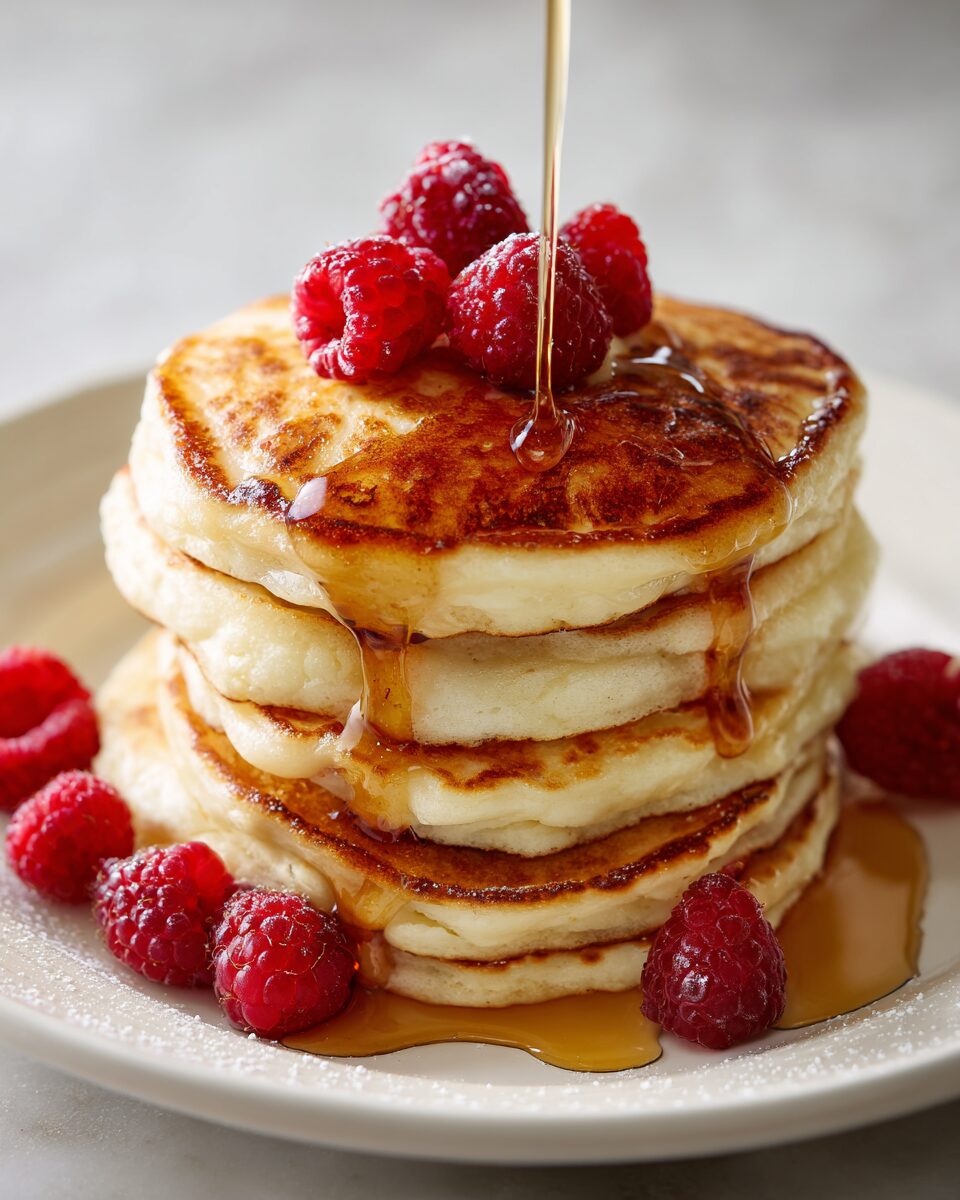
Few dishes embody the essence of a comforting breakfast quite like a stack of fluffy buttermilk pancakes. Golden on the outside, soft and airy inside, these pancakes have been a staple on American breakfast tables for generations. Whether enjoyed on a lazy Sunday morning, served during a festive brunch, or prepared quickly before school, pancakes carry with them both nostalgia and universal appeal.
The secret behind their irresistible texture lies in the magic of buttermilk, which gives the batter a slight tang while also ensuring tenderness. Unlike regular milk, buttermilk reacts with baking soda to create bubbles, resulting in a lift that transforms ordinary pancakes into cloud-like delights.
In this post, we’ll explore the history of pancakes, why buttermilk makes such a difference, how to master the classic recipe, and creative ways to elevate your pancake game. By the end, you’ll not only have a reliable recipe but also a deeper appreciation for this beloved breakfast dish.
A Brief History of Pancakes
Pancakes are among the oldest prepared foods in the world. Archaeological evidence suggests that prehistoric humans cooked early forms of pancakes on hot stones, making them one of humanity’s first “breads.” Ancient cultures such as the Greeks and Romans enjoyed variations made with wheat flour, honey, and milk.
The American version of the pancake has roots in European traditions, but the widespread use of baking powder and buttermilk in the 19th century created the fluffy, leavened pancakes we know today. While each culture—from French crêpes to Russian blinis—has its version of flat cakes, the American buttermilk pancake stands apart for its thickness and comforting softness.
Why Buttermilk Makes the Difference
Buttermilk is more than just a flavor enhancer. It plays a crucial role in creating fluffy pancakes by:
- Acidity – The natural acidity of buttermilk reacts with baking soda to release carbon dioxide bubbles, which make the pancakes rise.
- Tenderizing – The acid also breaks down gluten in the flour, ensuring the pancakes remain soft rather than chewy.
- Flavor – Buttermilk provides a subtle tang that balances the sweetness of the batter and complements toppings like maple syrup.
If you don’t have buttermilk, you can easily make a substitute at home by combining one cup of milk with one tablespoon of lemon juice or vinegar. Let it rest for about 10 minutes until slightly curdled, and you’ll have a quick alternative.
Ingredients for Classic Buttermilk Pancakes
Here is the base recipe that consistently yields light, fluffy pancakes:
- 2 cups all-purpose flour
- 2 tablespoons granulated sugar
- 2 teaspoons baking powder
- 1 teaspoon baking soda
- ½ teaspoon salt
- 2 cups buttermilk
- 2 large eggs
- ¼ cup unsalted butter, melted and slightly cooled
- 1 teaspoon vanilla extract (optional, but adds depth of flavor)
Step-by-Step Instructions
- Prepare the Dry Ingredients
In a large mixing bowl, whisk together the flour, sugar, baking powder, baking soda, and salt. This step ensures the leavening agents are evenly distributed, which helps the pancakes cook uniformly. - Mix the Wet Ingredients
In another bowl, whisk together the buttermilk, eggs, melted butter, and vanilla extract until smooth. - Combine the Mixtures
Pour the wet ingredients into the dry ingredients. Gently fold with a spatula until just combined. The batter should remain slightly lumpy. Overmixing leads to dense pancakes because it develops too much gluten. - Preheat the Pan
Heat a non-stick skillet or griddle over medium heat. Lightly grease with butter or oil. The surface is ready when a few drops of water sizzle and evaporate quickly. - Cook the Pancakes
Pour about ¼ cup of batter per pancake onto the skillet. Cook until bubbles form on the surface and the edges look set (about 2 minutes). Flip carefully and cook the other side for 1–2 minutes until golden brown. - Serve Warm
Stack the pancakes on a plate and serve immediately with your favorite toppings.
Tips for Perfect Pancakes Every Time
- Don’t Overmix – A few lumps in the batter are desirable; they ensure the pancakes remain tender.
- Rest the Batter – Letting the batter sit for 5–10 minutes before cooking allows the flour to hydrate and improves texture.
- Consistent Heat – Medium heat prevents burning while allowing the pancakes to cook through. Too high, and they scorch before the centers are done.
- Flip Once – Resist flipping multiple times; one flip is enough to achieve a fluffy texture.
- Keep Warm – If making a large batch, keep finished pancakes in a 200°F (90°C) oven until ready to serve.
Classic Topping Ideas
- Maple Syrup & Butter – The timeless choice.
- Fresh Berries & Whipped Cream – Adds freshness and balance.
- Nutella & Bananas – A decadent option for chocolate lovers.
- Yogurt & Honey – A lighter, tangy twist.
- Savory Style – Try crispy bacon, fried eggs, or even smoked salmon for a hearty brunch.
Creative Variations
- Blueberry Buttermilk Pancakes – Fold fresh or frozen blueberries into the batter before cooking.
- Chocolate Chip Pancakes – Add semi-sweet chocolate chips for a kid-friendly version.
- Whole Wheat Pancakes – Substitute half the all-purpose flour with whole wheat flour for extra fiber.
- Pumpkin Spice Pancakes – Add pumpkin purée and warm spices like cinnamon, nutmeg, and cloves for a seasonal twist.
- Lemon Poppy Seed Pancakes – Infuse the batter with lemon zest and a tablespoon of poppy seeds for brightness.
Nutritional Breakdown (per pancake, approx.)
- Calories: 120
- Carbohydrates: 17 g
- Protein: 3 g
- Fat: 4 g
- Fiber: 1 g
- Sugar: 4 g
These values will vary depending on the size of pancakes, added mix-ins, and toppings.
Serving Suggestions
Buttermilk pancakes are versatile. They can be served as a centerpiece for a cozy breakfast, paired with scrambled eggs and bacon for a balanced plate, or transformed into a celebratory brunch with toppings like fruit compote and whipped cream.
They also store well: refrigerate leftovers in an airtight container for up to three days or freeze them between parchment paper for up to one month. Reheat in a toaster or oven for best results.
Final Thoughts
Fluffy buttermilk pancakes are more than just a meal; they are a tradition, a comfort food, and a versatile recipe that adapts to countless flavors and occasions. With simple ingredients and a few key techniques, you can create pancakes that rival those served in diners and brunch cafés.
By mastering this classic recipe, you gain not only the skill to whip up an irresistible breakfast but also the foundation to experiment with endless variations. Whether topped with fresh fruit, drizzled with maple syrup, or stacked high for a family brunch, buttermilk pancakes never go out of style.