
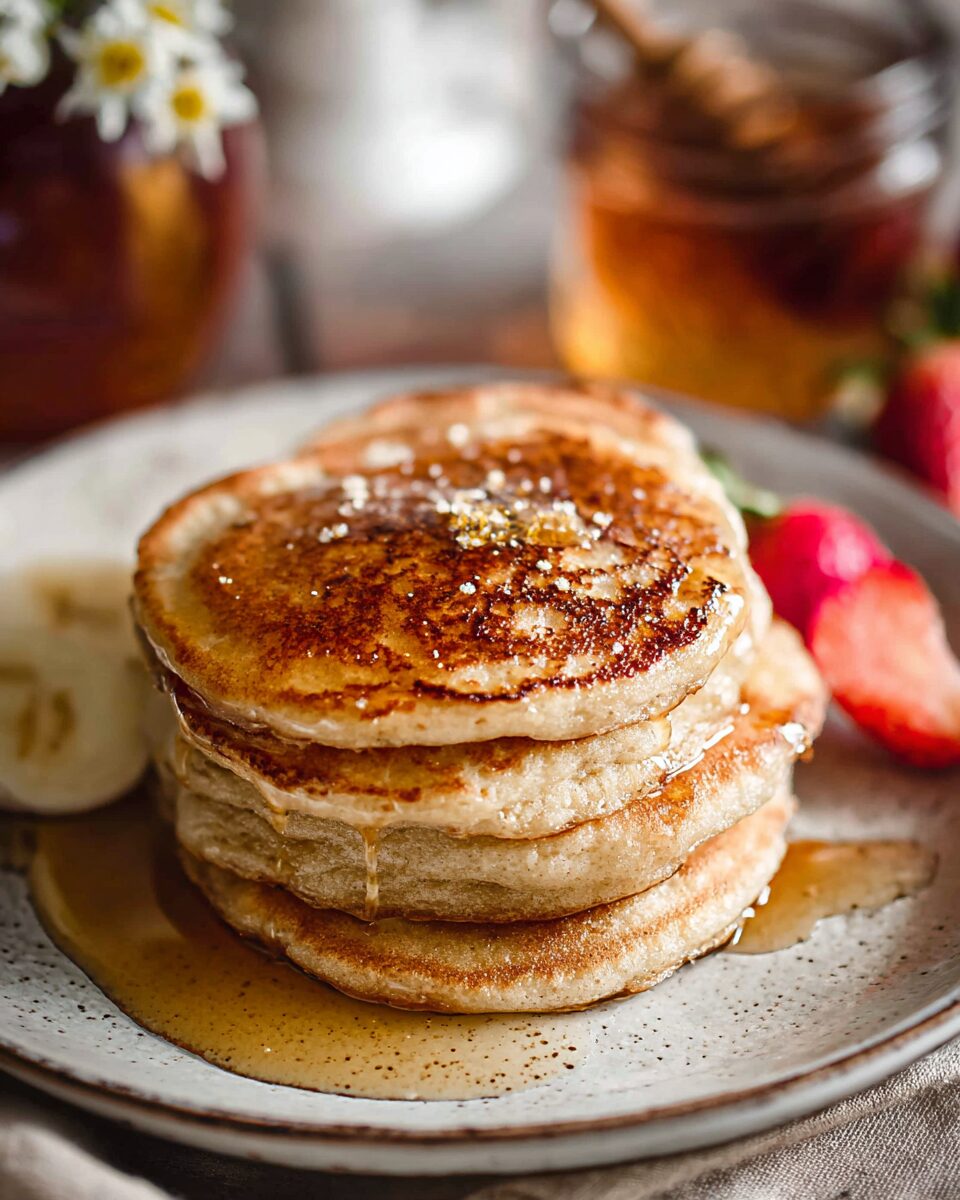
There’s something undeniably comforting about the aroma of pancakes sizzling on a griddle in the morning — that buttery, slightly nutty scent filling the kitchen as you pour the first ladle of batter. It’s the kind of smell that instantly brings warmth to a home and invites everyone to gather around the table. And while classic buttermilk pancakes have their place in breakfast history, whole wheat pancakes are a modern twist on tradition — hearty, wholesome, and every bit as delicious.
The history of pancakes stretches back thousands of years. Ancient Greeks and Romans ate a form of pancake made from wheat flour, olive oil, honey, and curdled milk. In North America, pancakes evolved through centuries of adaptation — from the thin “flapjacks” of the pioneers to the fluffy diner-style stacks we know today. But with modern awareness about nutrition and whole grains, many home cooks started experimenting with whole wheat flour to make pancakes that not only taste great but also offer a nutritional boost.
Whole wheat flour, made by grinding the entire wheat kernel (bran, germ, and endosperm), adds fiber, vitamins, and a rustic depth of flavor that white flour simply can’t match. The bran brings texture, the germ adds nuttiness, and together they make pancakes that feel hearty — the kind of breakfast that truly satisfies.
When I first started making whole wheat pancakes, I was searching for a way to make my mornings feel a bit more nourishing without giving up on indulgence. I wanted something wholesome yet fluffy, slightly nutty yet subtly sweet — a pancake that could stand up to syrup, fruit, or even a smear of nut butter. It took a few tries to find the perfect balance: enough structure to hold its shape, but still light enough to melt in your mouth.
The beauty of whole wheat pancakes is in their versatility. They can be dressed up or down depending on your mood. Drizzle them with maple syrup and top with bananas for a classic touch, or go for a more savory route — a pat of salted butter and a sprinkle of toasted nuts. They’re perfect for a lazy Sunday breakfast, a cozy brunch with friends, or even a quick make-ahead option for busy weekdays.
Beyond their versatility, these pancakes carry a sense of comfort that’s hard to describe. Maybe it’s the rustic color of the batter, the nutty aroma while they cook, or the way they make your morning coffee taste even better. They feel homemade in the truest sense — a reminder that the simplest foods are often the most satisfying.
Whether you’re new to using whole grains or you’ve been baking with them for years, this recipe will show you just how easy it is to make pancakes that are not only deliciously fluffy but also nutrient-rich.
So grab your mixing bowl, warm your griddle, and get ready to flip your way to breakfast bliss — because these Whole Wheat Pancakes are about to become a staple in your kitchen.
Full Recipe
Ingredients
Dry Ingredients:
- 1 ½ cups (180g) whole wheat flour
- 2 tablespoons brown sugar (or coconut sugar)
- 1 tablespoon baking powder
- ½ teaspoon baking soda
- ½ teaspoon salt
- 1 teaspoon ground cinnamon (optional, but adds warmth)
Wet Ingredients:
- 1 ½ cups (360ml) milk (dairy or non-dairy, such as almond or oat milk)
- 2 large eggs
- 2 tablespoons melted butter or coconut oil
- 1 teaspoon pure vanilla extract
- Optional: 2 tablespoons Greek yogurt or applesauce (for extra moisture and softness)
For cooking:
- Butter or oil, for greasing the skillet
Optional toppings:
- Maple syrup or honey
- Fresh berries, banana slices, or apple chunks
- Chopped nuts or seeds
- A dollop of yogurt or nut butter
Directions
Step 1: Mix the Dry Ingredients
In a large mixing bowl, whisk together the whole wheat flour, baking powder, baking soda, salt, and brown sugar.
- Tip: Sift the flour before adding to the bowl if it’s clumpy. Whole wheat flour tends to compact during storage, so aerating it ensures lighter pancakes.
- Adding a pinch of cinnamon enhances the flavor and gives your pancakes a warm, cozy aroma.
By whisking the dry ingredients first, you evenly distribute the leavening agents and prevent pockets of baking powder from forming in the batter later.
Step 2: Combine the Wet Ingredients
In a separate bowl or large measuring cup, whisk together the milk, eggs, melted butter, and vanilla extract. If you’re using Greek yogurt or applesauce, add it here as well.
- Technique tip: Make sure your melted butter isn’t too hot — you don’t want to scramble your eggs! Let it cool for a minute or two before mixing.
- Whisk vigorously for 20–30 seconds. This adds a bit of air to the mixture, helping the pancakes stay fluffy even with the heavier texture of whole wheat flour.
Step 3: Combine Wet and Dry Mixtures
Pour the wet ingredients into the bowl of dry ingredients. Using a spatula or wooden spoon, stir gently until just combined. The batter should look slightly lumpy — that’s okay!
- Don’t overmix. Overmixing develops the gluten in the flour, making the pancakes dense and chewy. Stop stirring as soon as the flour is incorporated.
- If the batter seems too thick, add 1–2 tablespoons of milk to loosen it. Whole wheat flour absorbs more liquid than white flour, so consistency matters.
Let the batter rest for 5–10 minutes. This resting period allows the flour to fully hydrate and the gluten to relax, resulting in softer pancakes.
Step 4: Heat the Pan
Place a nonstick skillet or griddle over medium heat. Lightly grease it with butter or oil — just enough to coat the surface.
- Check the temperature: Sprinkle a few drops of water on the skillet. If they dance and evaporate quickly, it’s ready. If they sizzle too aggressively, reduce the heat.
- Maintaining a steady medium heat ensures even browning without burning.
Step 5: Cook the Pancakes
Using a ¼ cup measuring scoop, pour batter onto the hot skillet. Let the pancakes cook for 2–3 minutes, until bubbles begin to form on the surface and the edges look set.
- Flip carefully with a spatula and cook for another 1–2 minutes on the other side, until golden brown.
- Adjust the heat as needed — too high and the pancakes will brown before cooking through; too low and they’ll turn out flat.
Pro tip: Wipe the skillet lightly with a paper towel between batches to prevent burnt butter spots from affecting flavor.
Continue until all batter is used. Keep finished pancakes warm in a low oven (about 200°F/95°C) while you cook the rest.
Step 6: Serve and Enjoy
Serve warm with your favorite toppings — butter, maple syrup, fruit, or even a dollop of Greek yogurt for a protein boost.
The texture should be slightly hearty from the whole wheat flour, yet soft enough to melt in your mouth with every bite.
Serving Suggestions & Variations
Whole wheat pancakes are endlessly adaptable. Here are some ideas to make them your own:
1. Classic Maple & Butter Stack
Keep it simple with a pat of salted butter and a drizzle of pure maple syrup. The salt enhances the nuttiness of the whole wheat, while the syrup adds balanced sweetness.
2. Berry Burst Pancakes
Fold in ½ cup of fresh or frozen blueberries, raspberries, or chopped strawberries before cooking. The fruit bursts during cooking, adding natural sweetness and color.
- Tip: If using frozen berries, toss them in a teaspoon of flour first to prevent streaking in the batter.
3. Banana Walnut Delight
Mash one ripe banana into the wet ingredients and sprinkle chopped walnuts into the batter. The result is rich, aromatic, and slightly caramelized — perfect for banana bread lovers.
4. Chocolate Chip Treat
Add ¼ cup of dark chocolate chips for a healthy indulgence. Serve with peanut butter and sliced bananas for an energy-packed breakfast.
5. Savory Spin
Skip the sugar and vanilla, add ¼ teaspoon of garlic powder, and mix in shredded cheese, herbs, or finely chopped spinach. Serve with poached eggs or avocado.
6. Vegan Option
Replace the eggs with flax eggs (1 tablespoon flaxseed meal + 2.5 tablespoons water per egg), use plant-based milk, and coconut oil instead of butter.
7. High-Protein Version
Stir in 1 scoop (about 30g) of unflavored protein powder and reduce the flour by ¼ cup. The pancakes remain fluffy but offer a protein boost.
Tips & Tricks
- Use Fresh Flour: Whole wheat flour contains natural oils that can go rancid over time. Store it in an airtight container in the fridge or freezer for freshness.
- Don’t Overmix: Slightly lumpy batter = fluffy pancakes. Overmixing activates gluten and makes them dense.
- Let the Batter Rest: Allow at least 5–10 minutes for the batter to rest before cooking. This step ensures tenderness and better rise.
- Adjust the Liquid: Depending on your flour brand and climate, you might need a tablespoon or two more milk. Look for a thick but pourable consistency.
- Preheat the Pan Properly: Too hot, and your pancakes will burn outside before cooking inside. Too cool, and they’ll spread too much. Medium heat is ideal.
- Batch Freezing: Once cooled, freeze pancakes in a single layer on a tray, then transfer to a freezer bag. Reheat in the toaster or microwave for a quick breakfast.
- Healthier Sweeteners: Swap brown sugar for honey or maple syrup in the wet mix for a naturally sweet flavor.
- Add Texture: Stir in a tablespoon of rolled oats or flaxseed for a nutty crunch.
- Serving Size: This recipe makes about 10 pancakes, perfect for a family breakfast or meal prep for the week.
Nutritional Info (per pancake)
(Approximation — varies based on ingredients used)
- Calories: 140
- Protein: 5g
- Carbohydrates: 18g
- Fat: 5g
- Fiber: 3g
- Sugars: 4g
- Sodium: 220mg
Thanks to the whole wheat flour, these pancakes offer extra dietary fiber and nutrients like iron, magnesium, and vitamin B6, making them a satisfying and wholesome breakfast choice.
Additional Info
- Prep Time: 10 minutes
- Cooking Time: 15 minutes
- Total Time: 25 minutes
- Calories per Serving: ~140 (per pancake)
- Servings: Makes 10 pancakes (about 4–5 servings)
Final Thoughts
Whole wheat pancakes are proof that wholesome doesn’t have to mean boring. They bring together the best of both worlds — the nostalgic joy of a warm breakfast stack and the satisfaction of knowing you’re nourishing your body.
What makes this recipe special isn’t just the ingredient list — it’s the feeling that comes with it. The gentle whisking, the aroma that fills your kitchen, the golden edges forming as you flip — these small moments turn cooking into comfort.
Serve them on a Sunday morning when the sunlight filters through your kitchen window, or make a big batch to freeze for the week ahead. Dress them up with berries and syrup, or keep them simple with butter and coffee. Either way, they’ll remind you that a homemade breakfast can be both healthy and heartwarming.
So the next time you crave pancakes, skip the boxed mix. Pull out that bag of whole wheat flour and whisk up a batch of these beauties. They’re not just pancakes — they’re a celebration of simple ingredients, slow mornings, and the joy of eating well.