
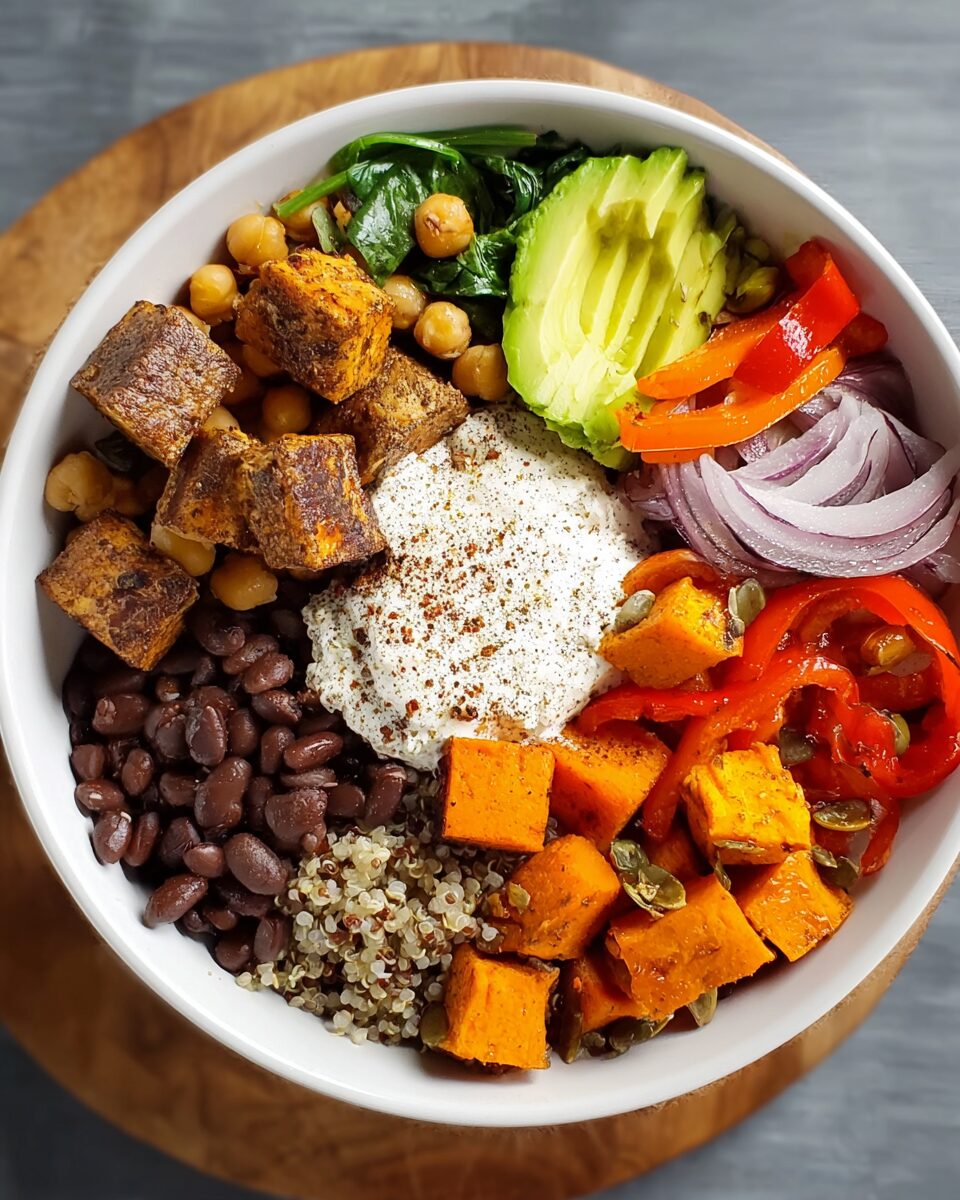
There’s something incredibly comforting and nourishing about a grain bowl — a dish that invites creativity, balance, and flavor in every bite. The beauty of a Meatless Grain Bowl lies in its simplicity and flexibility: a hearty base of grains, topped with colorful vegetables, crunchy toppings, and a drizzle of zesty dressing that ties it all together. It’s the kind of meal that satisfies both body and soul — deeply wholesome, visually stunning, and endlessly customizable.
In recent years, the popularity of grain bowls has skyrocketed, and for good reason. They’re inspired by a global movement toward mindful, plant-forward eating, where vegetables, grains, and legumes take center stage rather than meat. From Mediterranean quinoa salads to Asian-inspired rice bowls and Middle Eastern tabbouleh variations, this concept of mixing whole grains with fresh produce and flavorful sauces has taken on many forms around the world.
The concept itself isn’t new — many traditional cuisines have celebrated the art of grain-based meals for centuries. In Japan, the donburi combines rice with vegetables and sauces. In Korea, bibimbap layers rice with sautéed veggies, gochujang sauce, and an egg on top. In the Middle East, bulgur and lentils form the backbone of countless vegetarian dishes. The modern grain bowl borrows from these cultural traditions, blending global influences into something that feels at once ancient and modern.
What makes this Meatless Grain Bowl particularly special is its ability to deliver comfort and freshness in equal measure. Each bite offers a little bit of everything: chewy grains, crisp roasted vegetables, creamy dressing, and the satisfying crunch of seeds or nuts. It’s wholesome without feeling restrictive — a perfect example of how plant-based meals can be both nourishing and deeply enjoyable.
Whether you’re looking for a quick lunch, an easy weeknight dinner, or a meal-prep favorite for busy days, this recipe fits the bill. It’s not only vegetarian but can also be easily made vegan, gluten-free, or high-protein depending on your preferences. And the best part? It’s as beautiful as it is delicious — a rainbow of colors and textures that looks like something out of a café menu but comes together effortlessly in your own kitchen.
So grab your favorite grains, raid your fridge for veggies, and get ready to create a bowl that’s hearty, healthy, and full of life.
Full Recipe
Ingredients
For the Grain Base:
- 1 cup (190 g) uncooked quinoa, brown rice, or farro
- 2 cups (480 ml) vegetable broth or water
- ½ teaspoon salt
For the Roasted Vegetables:
- 1 medium sweet potato, peeled and diced
- 1 red bell pepper, sliced
- 1 zucchini, sliced into half-moons
- 1 small red onion, cut into wedges
- 1 tablespoon olive oil
- ½ teaspoon salt
- ¼ teaspoon black pepper
- ½ teaspoon smoked paprika
- ½ teaspoon garlic powder
For the Protein Topping:
- 1 (15 oz / 425 g) can chickpeas, drained and rinsed
- 1 tablespoon olive oil
- ½ teaspoon cumin
- ¼ teaspoon cayenne (optional)
- ¼ teaspoon salt
For the Fresh Toppings:
- 1 cup (150 g) cherry tomatoes, halved
- 1 cup (60 g) baby spinach or kale, chopped
- ½ avocado, sliced
- ¼ cup (30 g) crumbled feta cheese (optional, omit for vegan)
- 2 tablespoons pumpkin seeds or sunflower seeds
For the Dressing:
- ¼ cup (60 ml) tahini
- 2 tablespoons lemon juice
- 1 tablespoon maple syrup or honey
- 1 small garlic clove, minced
- 3–4 tablespoons warm water (to thin)
- Salt and pepper, to taste
Directions
1. Cook the Grains
Start by cooking your chosen grain base. Quinoa, brown rice, or farro all work beautifully here — each brings its own unique texture and nutritional benefits.
- For quinoa: Rinse under cold water to remove bitterness. Add 1 cup quinoa and 2 cups vegetable broth (or water) to a pot. Bring to a boil, then reduce to low heat, cover, and simmer for 15 minutes until the liquid is absorbed. Fluff with a fork.
- For brown rice: Combine 1 cup rice with 2 cups water or broth. Bring to a boil, cover, and simmer for 40–45 minutes until tender.
- For farro: Bring 3 cups of water or broth to a boil, add 1 cup farro, reduce to a simmer, and cook for 25–30 minutes, until chewy but tender. Drain excess liquid.
Pro Tip: Cooking your grains in vegetable broth instead of plain water adds an extra layer of savory flavor. Once cooked, fluff and set aside to cool slightly.
2. Roast the Vegetables
While the grains cook, preheat your oven to 400°F (200°C).
On a large baking sheet, combine the diced sweet potato, bell pepper, zucchini, and red onion. Drizzle with olive oil, and season with salt, pepper, smoked paprika, and garlic powder. Toss until evenly coated.
Spread the vegetables in a single layer — overcrowding the pan will cause them to steam rather than roast.
Roast for 25–30 minutes, stirring halfway through, until tender and slightly caramelized on the edges. The sweet potatoes should be soft inside, and the zucchini lightly golden.
Pro Tip: For extra crispiness, turn on the broiler for the last 2–3 minutes — just keep an eye on them to avoid burning.
3. Roast or Sauté the Chickpeas
To add protein and crunch, roast or sauté your chickpeas.
Oven method:
- Toss chickpeas with olive oil, cumin, cayenne, and salt. Spread them on a baking sheet and roast for 20–25 minutes at 400°F (200°C), shaking the pan halfway through, until crispy and golden.
Skillet method:
- Heat olive oil in a non-stick pan over medium heat. Add chickpeas and spices, and sauté for 10 minutes, stirring occasionally until crisp and fragrant.
Pro Tip: If you want ultra-crispy chickpeas, dry them thoroughly with a towel before roasting. Removing excess moisture helps them crisp up instead of becoming chewy.
4. Prepare the Dressing
In a small bowl, whisk together tahini, lemon juice, maple syrup (or honey), and minced garlic. Gradually add warm water, one tablespoon at a time, until the dressing reaches your desired consistency — creamy yet pourable.
Season with salt and pepper. Taste and adjust as needed:
- Add more lemon juice for tang,
- More maple syrup for sweetness,
- Or extra garlic for a bolder flavor.
This dressing adds creaminess and depth while keeping the dish entirely plant-based (if you skip the honey).
5. Assemble the Grain Bowls
Now comes the fun part — assembly!
In individual serving bowls or meal prep containers, start with a base layer of grains (about ¾ cup per bowl).
Next, layer the roasted vegetables over the grains, followed by the crispy chickpeas.
Add your fresh toppings — tomatoes, spinach or kale, avocado slices, and a sprinkle of feta cheese if using.
Drizzle the tahini dressing generously over everything and finish with pumpkin or sunflower seeds for that perfect crunch.
Pro Tip: Serve the dressing on the side if prepping these bowls ahead of time to prevent sogginess.
6. Serve and Enjoy
Serve the grain bowls warm, room temperature, or even chilled — they taste amazing any way you like.
For a finishing touch, squeeze a bit of fresh lemon juice on top and add a pinch of flaky sea salt. The acidity brings all the flavors to life.
Each bite will give you a balance of textures — soft grains, crisp chickpeas, creamy dressing, and crunchy seeds — all tied together by bright, Mediterranean-inspired flavors.
Serving Suggestions & Variations
1. Mediterranean Grain Bowl
Use quinoa or farro as your base, roasted eggplant and cherry tomatoes for your veggies, and top with kalamata olives, artichokes, and crumbled feta. Drizzle with lemon-herb vinaigrette or tzatziki sauce.
2. Asian-Inspired Bowl
Swap tahini dressing for a sesame-ginger dressing made with soy sauce, rice vinegar, and sesame oil. Use brown rice as the base, and add edamame, shredded carrots, cucumber ribbons, and a sprinkle of sesame seeds.
3. Mexican Grain Bowl
Use brown rice or quinoa, add roasted corn, black beans, and peppers, and top with avocado, salsa, cilantro, and lime crema. A dash of smoked paprika or chili powder in the dressing gives it a bold kick.
4. Fall Harvest Bowl
Use wild rice or barley as the base, and roast butternut squash, Brussels sprouts, and red onion. Add dried cranberries, pecans, and a maple-balsamic dressing. Perfect for cozy autumn dinners.
5. Protein Boost
Add tofu, tempeh, or even a soft-boiled egg for extra protein. For vegans, try seared tofu cubes marinated in soy sauce, garlic, and maple syrup — they add great texture and flavor.
6. Quick Meal Prep Version
Double the recipe and store components separately in the fridge. Grains and roasted vegetables last up to 5 days, while the dressing keeps for a week. Assemble fresh each day for a healthy grab-and-go meal.
Tips & Tricks
1. Mix and Match Grains
Don’t limit yourself to just quinoa or rice. Try bulgur, farro, barley, or even couscous for variety. Combining grains (like quinoa + brown rice) gives a great texture contrast.
2. Roast Smart
Cut your vegetables into uniform sizes so they cook evenly. Harder veggies like sweet potatoes should be smaller than soft ones like zucchini.
3. Add Greens for Balance
Leafy greens like kale, spinach, or arugula add freshness and a nutrient boost. For extra flavor, massage kale with olive oil and lemon juice before adding it to the bowl.
4. Season Every Layer
The key to a flavorful bowl is seasoning each component — from the grains to the veggies to the dressing. A pinch of salt in every layer makes a big difference.
5. Texture Is Everything
Great grain bowls have a balance of textures — chewy, crunchy, creamy, and crisp. Include nuts, seeds, or crispy chickpeas for crunch; avocado or dressing for creaminess; and roasted veggies for heartiness.
6. Make It Ahead
If meal prepping, store the components separately — grains and veggies in one container, greens and toppings in another, and dressing in a jar. Combine before eating to keep everything fresh.
7. Keep It Colorful
The more colors you include, the more nutrients you’ll get. Think red peppers, orange sweet potatoes, green spinach, and purple cabbage — it’s as good for your body as it is for your eyes.
8. Don’t Fear Substitutions
This recipe is endlessly adaptable. Swap out ingredients based on what’s in season or what you already have. It’s a great way to use up leftover veggies or grains from other meals.
Nutritional Info (per serving)
(Based on 4 servings)
- Calories: 480
- Protein: 15g
- Fat: 20g
- Carbohydrates: 58g
- Fiber: 10g
- Sugar: 7g
- Sodium: 560mg
This bowl is nutrient-dense and perfectly balanced — rich in complex carbohydrates, plant-based protein, and healthy fats. It’s ideal for vegetarians, but even omnivores will find it satisfying and complete.
Additional Info
- Prep Time: 20 minutes
- Cooking Time: 30 minutes
- Total Time: 50 minutes
- Calories per serving: ~480
- Servings: 4
Final Thoughts
This Meatless Grain Bowl is more than just a recipe — it’s a celebration of wholesome eating. It reminds us that healthy food doesn’t have to be boring or complicated. With simple, natural ingredients and a bit of thoughtful layering, you can create a meal that’s as nourishing as it is satisfying.
It’s a dish that fits every mood and season — light enough for summer, hearty enough for winter, and endlessly adaptable for whatever ingredients you have on hand. You can serve it warm, chilled, or room temperature; pack it for work lunches or serve it at a dinner party. It’s truly a recipe that adapts to your life.
More than anything, grain bowls invite creativity. They’re forgiving, flexible, and endlessly customizable. You can make it Mediterranean one night, Asian-inspired the next, and Southwestern after that — all using the same basic formula.
So next time you’re looking for a meal that’s healthy, colorful, and deeply satisfying, build yourself a Meatless Grain Bowl. You’ll discover that eating well doesn’t have to mean giving up comfort or flavor — it just means celebrating food in its most vibrant, nourishing form.