
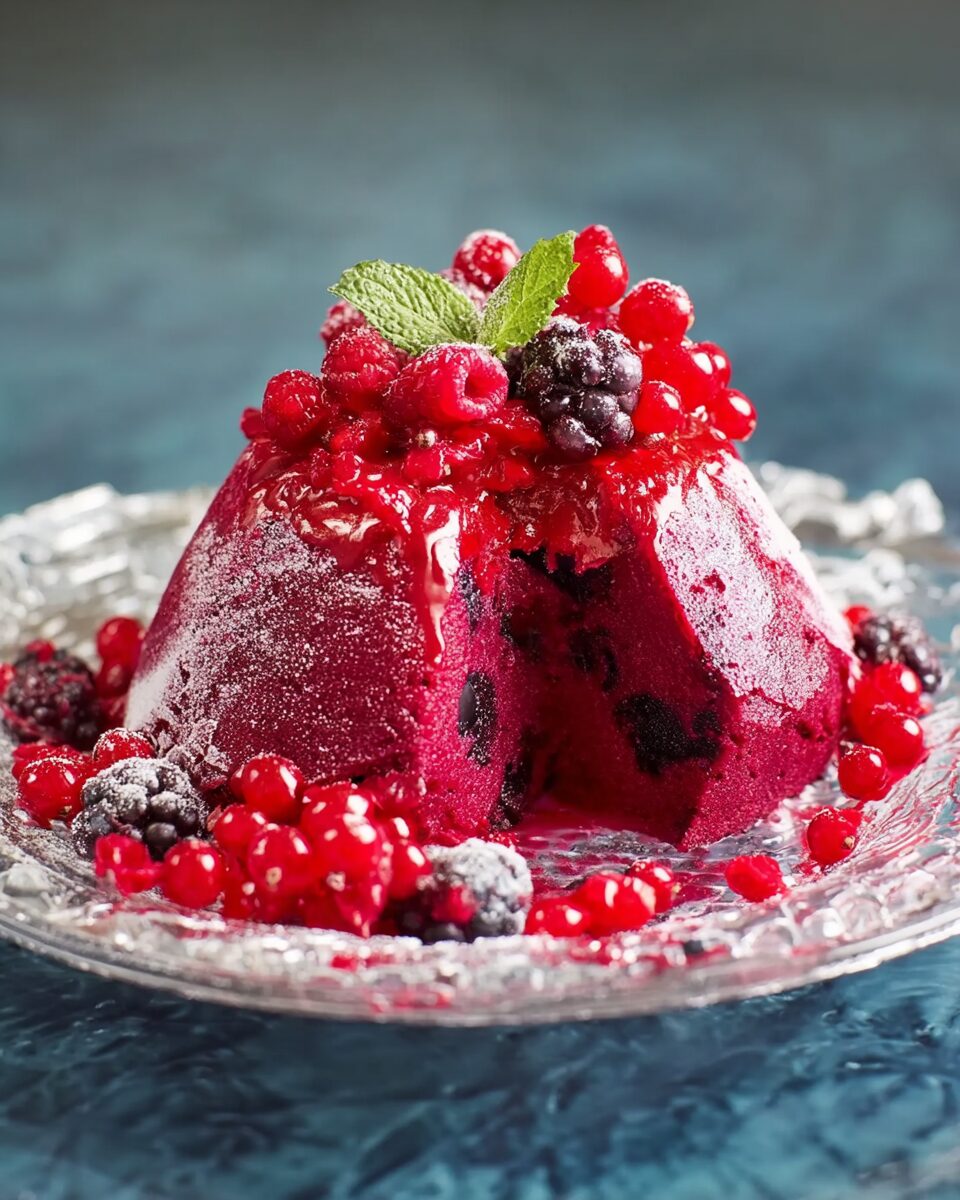
Every family has that one dish — the one that appears at every gathering, brings everyone to the kitchen table, and fills the air with nostalgia and warmth. For my family, that dish is my mum’s Cranberry Summer Pudding. It’s the kind of dessert that doesn’t just end a meal — it creates a memory.
Every year, when the weather warms and the berries start flooding the markets, my mum pulls out her timeworn ceramic pudding bowl — the same one she’s used for decades — and begins her ritual. The smell of simmering cranberries, raspberries, and currants fills the kitchen, creating an intoxicating aroma of sweet-tart fruit and sugar that instantly transports me to childhood summers. Even before I understood how to cook, I knew that when that smell filled the air, summer had truly arrived.
But this pudding wasn’t just for summer. Ironically, it’s also become a holiday tradition — a refreshing, jewel-toned dessert that perfectly balances the richness of roast dinners and festive feasts. Mum’s cranberry summer pudding is both light and luxurious, sweet but tart, humble yet elegant. It’s a reminder that simple ingredients, treated with care, can turn into something utterly extraordinary.
The Beauty of Summer Pudding
For those who haven’t encountered it before, summer pudding is a classic British dessert, dating back to the early 20th century. It was born out of frugality and abundance — a clever way to use day-old bread and the seasonal bounty of summer berries. Traditionally, it features raspberries, blackberries, currants, and sometimes cherries, all simmered gently with sugar until their juices run ruby red. The fruit mixture is then spooned into a bowl lined with slices of white bread, soaked in the vibrant juices, and left to set overnight.
The result is nothing short of magical: when unmolded, the pudding reveals a glossy dome of deep crimson, each slice a mosaic of soaked bread and bursting berries. It’s sweet, tart, juicy, and deeply satisfying — a dessert that feels both old-fashioned and timeless.
My mum’s version, though, has a twist: cranberries. She adds them not just for color, but for the distinctive tang that cuts through the sweetness and gives the pudding its signature zing. While cranberries are more common in autumn or winter, she discovered that their brightness works beautifully with summer berries. Over time, this hybrid creation became our family’s “holiday summer pudding” — served both during the festive winter holidays and at garden parties in July.
Every spoonful brings back the sound of clinking glasses, laughter spilling out onto the patio, and the sight of my mum wiping her hands on her apron, smiling with pride as the pudding slid perfectly from the mold.
This dish embodies everything I love about her cooking — it’s thoughtful, resourceful, colorful, and made to share. It doesn’t rely on fancy techniques or expensive ingredients, just patience, good fruit, and a touch of love.
If you’re looking for a dessert that’s light yet indulgent, traditional yet flexible, and stunning enough to grace any holiday table — my mum’s Cranberry Summer Pudding deserves a place in your recipe box.
Let’s walk through it together, step by step, so you can bring a little of that nostalgic sweetness into your own kitchen.
Full Recipe
Ingredients
For the Fruit Filling:
- 2 cups (200 g) fresh or frozen cranberries
- 2 cups (200 g) fresh raspberries
- 1 1/2 cups (150 g) blackberries
- 1 cup (100 g) red currants (or substitute with more raspberries if unavailable)
- 3/4 cup (150 g) granulated sugar (adjust to taste depending on the tartness of your fruit)
- 1 teaspoon finely grated orange zest
- 2 tablespoons freshly squeezed orange juice
- 1 teaspoon pure vanilla extract (optional but adds lovely depth)
For Assembling the Pudding:
- 1 loaf of soft white sandwich bread (about 10–12 slices, crusts removed)
- Butter, for greasing the bowl
- Extra fruit or mint leaves, for garnish
Optional Add-ins:
- 2 tablespoons Chambord, Cointreau, or cranberry liqueur for an adult twist
- 1 tablespoon honey for added sweetness
- A handful of blueberries for color contrast
Directions
Step 1: Prepare the Pudding Bowl
Lightly grease a 1.5-liter (6-cup) pudding basin or deep round bowl with butter. Line the bottom with a small circle of parchment paper to make unmolding easier later.
Tip: If you don’t have a pudding basin, a glass mixing bowl works beautifully. Choose one with smooth sides so the pudding releases easily.
Step 2: Cook the Fruit Mixture
Place the cranberries, raspberries, blackberries, and red currants in a medium saucepan. Add the sugar, orange zest, and orange juice. Stir to coat the fruit evenly.
Heat the mixture over medium heat, stirring gently as the sugar begins to dissolve. Within a few minutes, the cranberries will start to pop and release their juices. Allow the mixture to simmer for 5–8 minutes, until most of the cranberries have burst and the liquid turns deep crimson.
Pro tip: Avoid overcooking — you want the fruit to soften but still hold some shape. If the mixture becomes too thick, add a tablespoon of water or juice.
Once cooked, remove from heat and stir in the vanilla extract (and liqueur, if using). Set aside to cool slightly.
Step 3: Prepare the Bread
While the fruit cools, slice off the crusts from the bread. You’ll need enough slices to line the bowl and cover the top. Cut one slice into a circle to fit the bottom of your bowl. Then cut others into long strips for the sides, overlapping slightly to ensure there are no gaps.
Technique tip: Slightly overlap each slice so the juices can’t escape. This will ensure your pudding holds its shape beautifully when unmolded.
Step 4: Line the Bowl
Dip one side of each bread slice lightly into the warm fruit syrup — just enough to color it, not soak it through. Arrange them syrup-side out along the bottom and sides of your bowl, overlapping as needed. The vivid color will create that gorgeous outer shell.
Once the bowl is fully lined, check for any small gaps and patch them with extra bits of bread.
Step 5: Add the Fruit Filling
Using a slotted spoon, spoon half of the cooked fruit into the bread-lined bowl. Gently press down with the back of the spoon to compact it slightly.
Place another layer of syrup-dipped bread over the fruit, then add the remaining fruit mixture. Finish with a final layer of bread to seal the top, again lightly dipped in syrup.
Flavor note: Save a few spoonfuls of syrup for brushing over the pudding before serving — it adds shine and color.
Step 6: Weigh It Down and Chill
Cut a piece of parchment paper to cover the surface, then place a small plate (or saucer) on top to weigh it down. This helps the bread absorb the fruit juices evenly.
Refrigerate overnight, or at least 8 hours. During this time, the bread will transform — it will soak up all the luscious berry syrup, turning into a deep magenta dome that’s bursting with flavor.
Mum’s trick: She sometimes flips the pudding halfway through chilling (using another plate) to make sure the juice distributes perfectly. It’s not essential, but it does create a more even color.
Step 7: Unmold and Serve
When ready to serve, remove the plate and parchment. Run a small knife gently around the edge to loosen it, then place a serving plate over the bowl and flip it upside down in one confident motion. Lift the bowl carefully — your pudding should slide out, glistening and jewel-toned.
Brush any remaining syrup over the top to enhance the sheen, and garnish with fresh berries, mint sprigs, or a dusting of powdered sugar.
Slice into wedges and serve chilled or at room temperature.
Serving suggestion: A generous spoonful of lightly whipped cream, clotted cream, or vanilla ice cream pairs beautifully with the tartness of the pudding.
Serving Suggestions & Variations
1. Classic Summer Version
Use traditional British berries — raspberries, currants, and blackberries — for a purely summer take. Serve it with crème fraîche for a sophisticated finish.
2. Festive Holiday Version
Add cranberries, orange zest, and a splash of Cointreau or Grand Marnier. Garnish with sugared cranberries and rosemary for a Christmas-worthy centerpiece.
3. Tropical Twist
Mix in chopped mango, pineapple, or passion fruit for a vibrant tropical flavor. Replace orange juice with lime juice for a tangy kick.
4. Vegan and Dairy-Free
This pudding is naturally dairy-free! Just ensure your bread is vegan-friendly (no milk or butter). Serve with coconut whipped cream for a light, island-inspired touch.
5. Gluten-Free Adaptation
Use gluten-free white sandwich bread or brioche. The texture will be slightly softer but equally delicious when well-chilled.
6. Mini Summer Puddings
Instead of one large bowl, make individual servings using ramekins or silicone molds. They’re adorable for dinner parties and easier to serve.
Tips & Tricks
- Choosing the right bread: Use soft white sandwich bread or brioche. Avoid sourdough or rustic loaves — their dense texture won’t absorb the juices properly.
- Sweetness balance: Taste your fruit mixture before assembling. If it’s too tart, add a tablespoon of honey or extra sugar; if too sweet, add a squeeze of lemon juice.
- Avoid soggy pudding: Don’t over-soak the bread slices before layering. A quick dip in the syrup is enough — they’ll absorb more overnight.
- Presentation tip: Brush a little reserved syrup over the pudding just before serving for a glossy, vibrant finish.
- Make-ahead magic: This dessert tastes even better the next day, once all the flavors have melded. You can refrigerate it for up to 3 days.
- Freezing: Although not traditional, you can freeze the pudding for up to 1 month. Thaw overnight in the fridge and serve chilled.
- Serving temperature: Best served cold or cool. Avoid serving it straight from the fridge — 15 minutes at room temperature allows the flavors to bloom.
Nutritional Info (per serving, based on 8 servings)
- Calories: ~240
- Total Fat: 3 g
- Saturated Fat: 1 g
- Cholesterol: 0 mg
- Sodium: 110 mg
- Total Carbohydrates: 52 g
- Fiber: 5 g
- Sugars: 30 g
- Protein: 5 g
Note: Values vary based on bread type and fruit ratios used.
Additional Info
- Prep Time: 25 minutes
- Cooking Time: 10 minutes
- Chilling Time: 8 hours (overnight recommended)
- Total Time: 8 hours 35 minutes
- Calories per Serving: 240
- Servings: 8
Final Thoughts
My mum’s Cranberry Summer Pudding isn’t just a recipe — it’s a legacy. It’s a dessert that captures the essence of family, the rhythm of the seasons, and the beauty of simplicity. There’s no frosting or complicated techniques here, just the humble transformation of bread and berries into something elegant and unforgettable.
Every time I unmold that glossy dome, I think of her — standing by the counter with her wooden spoon, tasting the syrup with a satisfied smile. This pudding has witnessed birthdays, Christmas dinners, and lazy summer afternoons. It’s been the star of our holiday table for as long as I can remember, and now, it’s my turn to share it with the world.
So I invite you to make this pudding your own. Swap in your favorite fruits, play with flavors, and serve it however makes your heart happiest. Because at its core, this dish isn’t about perfection — it’s about joy. The joy of tradition, of family, of that first tart-sweet bite that makes everyone pause and smile.
Serve it cold, slice it generously, and watch as it disappears faster than you can say “Save me another piece!”
Here’s to timeless recipes, to mums who cook with love, and to the simple desserts that become family treasures.