
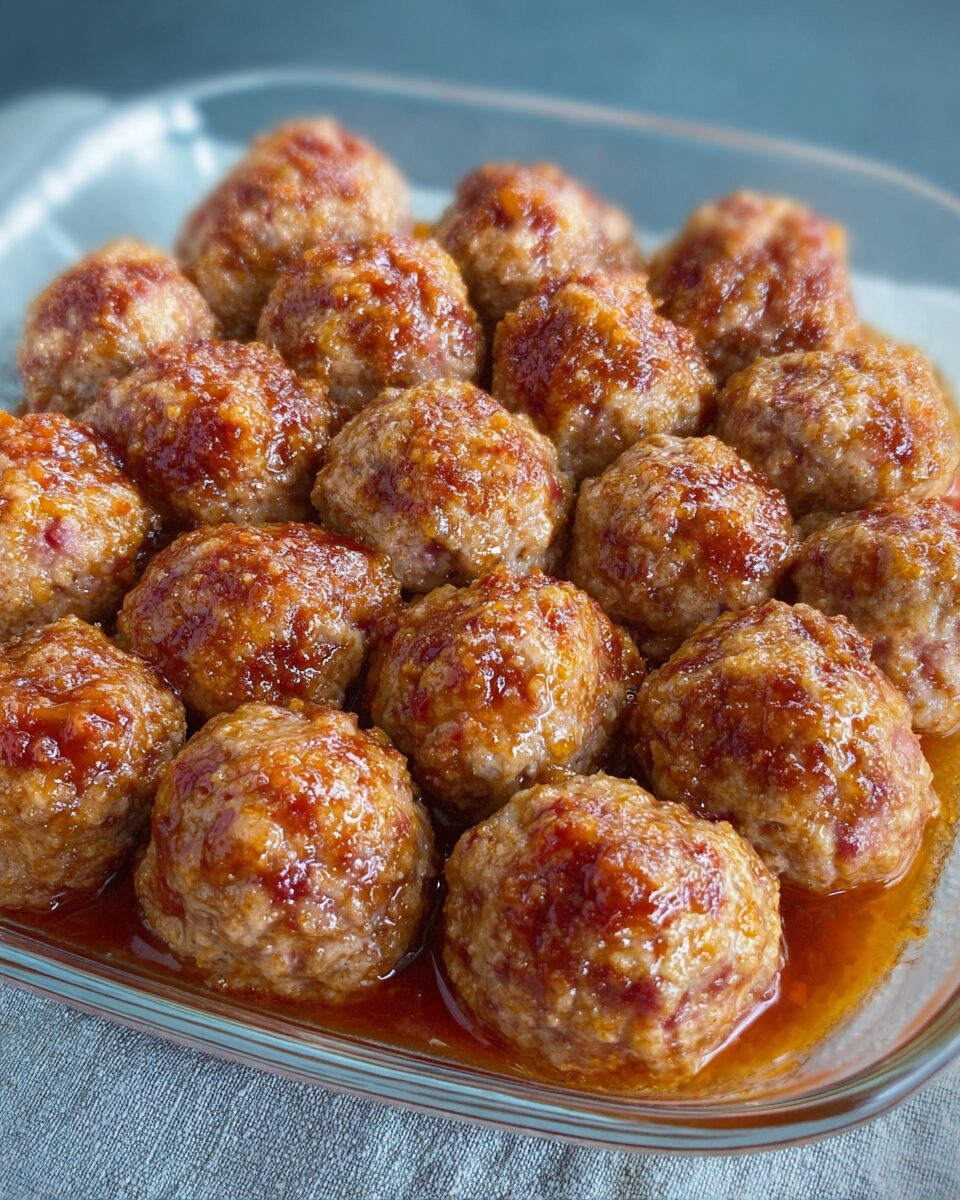
Some recipes carry with them the comforting weight of history — they’re more than just food; they’re memories on a plate. Farmhouse Ham Balls are one of those dishes.
If you grew up in the American Midwest, there’s a good chance you’ve tasted these sweet, savory, and perfectly glazed little meatballs at a church supper, family reunion, or farmhouse Sunday dinner. They’re as much a part of Midwestern culinary culture as corn casseroles, cheesy potatoes, and homemade rolls.
There’s something so homey about them — rustic, hearty, and deeply satisfying. The combination of smoked ham, ground pork, and that signature sweet-tangy glaze creates a flavor that’s simultaneously familiar and unforgettable. Each bite delivers that nostalgic contrast — savory meat wrapped in a sticky, caramelized sauce that clings to your fork and warms your soul.
The Origins of Ham Balls
Farmhouse Ham Balls originated in the Midwest, particularly in states like Iowa, Nebraska, and Missouri, where pork farming has long been part of everyday life. Rural communities found ways to make the most of leftover smoked hams — grinding them and mixing them with pork or beef to create flavorful, filling dishes that stretched a dollar but never compromised on taste.
Back then, ham balls were a staple at potlucks and Sunday dinners because they fed a crowd and reheated beautifully. They also reflected the farmhouse ethos: simple ingredients, humble techniques, and maximum comfort.
Today, they remain a symbol of heartland hospitality — proof that great food doesn’t have to be fancy or complicated. A few pantry staples and some slow baking can create magic that reminds us of home, family, and slower days.
Why This Recipe Endures
What makes Farmhouse Ham Balls so special isn’t just their flavor — it’s their personality. They’re sweet but not sugary, meaty but not heavy, and nostalgic without feeling old-fashioned. They represent a perfect blend of resourcefulness and indulgence — the kind of dish that tastes like it came from Grandma’s kitchen, no matter whose table it’s on.
They’re also remarkably versatile:
- Serve them as a main dish over mashed potatoes or rice.
- Present them as cocktail appetizers at a party.
- Make them ahead and freeze for easy weeknight meals.
In many Midwestern families, the recipe has been passed down through generations — handwritten on faded index cards or tucked into community cookbooks with notes like “Add extra glaze!” or “Perfect for Easter dinner.”
My first encounter with ham balls was at a family reunion in Iowa. I was a child, wandering from table to table at the church hall potluck, when I spotted a tray of shiny, reddish-brown spheres sitting in a crockpot. I didn’t expect much, but one bite later, I was hooked. The sauce was sticky and sweet, with a deep tang from vinegar and mustard, while the ham and pork mixture was tender, juicy, and perfectly seasoned. That memory never left me — and now, it’s one of those recipes I reach for whenever I want something comforting and timeless.
Full Recipe
Ingredients
For the Ham Balls:
- 1 pound (450 g) ground ham (use a food processor or ask your butcher to grind it)
- 1 pound (450 g) ground pork (or substitute ground beef for a milder flavor)
- 1 cup (120 g) graham cracker crumbs (or use crushed saltines for a more savory bite)
- 2 large eggs, lightly beaten
- ¾ cup (180 ml) milk
- ¼ teaspoon black pepper
- ½ teaspoon onion powder (optional but adds depth)
For the Glaze:
- 1 cup (240 ml) tomato sauce (or ketchup for a sweeter version)
- ¾ cup (160 g) brown sugar
- 1 tablespoon apple cider vinegar
- 1 teaspoon dry mustard powder
- 1 tablespoon Worcestershire sauce
Directions
Step 1: Prepare the Ham Mixture
Start by preheating your oven to 350°F (175°C) and greasing a large baking dish or roasting pan.
In a large mixing bowl, combine the ground ham and pork. Mix gently with your hands or a wooden spoon until just combined — you don’t want to overwork it, or the ham balls will become tough.
Next, add graham cracker crumbs, eggs, milk, black pepper, and onion powder. Mix until everything is evenly distributed and forms a slightly sticky mixture.
Tip: The graham cracker crumbs might sound unusual, but they’re what give this dish its distinctive sweet undertone. If you prefer a more savory result, swap them for crushed saltine crackers or breadcrumbs.
The consistency should be soft but hold together easily when rolled. If it feels too wet, add a few extra crumbs.
Step 2: Shape the Ham Balls
Using a cookie scoop or your hands, form the mixture into balls about 1½ to 2 inches in diameter (roughly the size of a golf ball). Place them in a greased baking dish or a parchment-lined sheet pan, spacing them slightly apart.
You should get about 20–24 ham balls depending on size.
Technique Tip: Lightly wet your hands before shaping — it helps prevent sticking and gives the ham balls a smoother surface.
Step 3: Mix the Glaze
In a medium bowl, whisk together tomato sauce, brown sugar, apple cider vinegar, dry mustard, and Worcestershire sauce until smooth.
Taste the glaze — it should strike a perfect balance between sweet, tangy, and savory. Adjust as needed:
- Add more vinegar for extra tang.
- Add more sugar for a sweeter coating.
- Or throw in a dash of hot sauce for gentle heat.
Step 4: Glaze and Bake
Pour about half of the glaze evenly over the ham balls, coating them lightly. Reserve the rest for basting later.
Cover the dish with foil and bake for 30 minutes. This helps the ham balls stay moist while they cook through.
After 30 minutes, remove the foil, spoon or brush the remaining glaze over the top, and bake another 25–30 minutes uncovered, until the glaze thickens and the ham balls are beautifully caramelized.
You’ll know they’re done when they reach an internal temperature of 160°F (71°C) and the sauce is bubbling and sticky.
Pro Tip: For an extra caramelized glaze, broil the ham balls on high for the last 2–3 minutes — just keep a close eye so they don’t burn.
Step 5: Rest and Serve
Let the ham balls rest for 5 minutes before serving. This allows the juices to redistribute and the glaze to set slightly, making them even more flavorful.
Serve warm, drizzled with the thickened glaze from the pan.
Serving Suggestion: Pair them with mashed potatoes, roasted green beans, and a buttered dinner roll for a classic farmhouse meal.
Serving Suggestions & Variations
1. Traditional Farmhouse Style (Classic Version)
Serve ham balls with creamy mashed potatoes and a side of buttered corn or green beans. Spoon extra glaze over the top for that sticky, irresistible finish.
2. Mini Ham Ball Appetizers
Make smaller, bite-sized ham balls (1 inch each) and bake them on a sheet pan. Serve with toothpicks as cocktail appetizers — they’re perfect for parties or potlucks. Keep them warm in a slow cooker with extra glaze.
3. Slow Cooker Ham Balls
To save oven space or simplify meal prep, place shaped ham balls in a slow cooker, pour glaze over, and cook on LOW for 4–5 hours or HIGH for 2–3 hours. They’ll turn out tender, juicy, and coated in thick sauce.
4. Pineapple Ham Balls
Add ½ cup crushed pineapple (drained) to the meat mixture and 2 tablespoons pineapple juice to the glaze for a sweet, tropical twist that pairs beautifully with the smoky ham.
5. Spicy Barbecue Ham Balls
Swap the tomato sauce for your favorite BBQ sauce, reduce the sugar to ¼ cup, and add a pinch of cayenne or red pepper flakes for a sweet-and-spicy punch.
6. Keto or Low-Carb Variation
Replace graham cracker crumbs with almond flour or pork rind crumbs, and use a sugar-free ketchup and brown sugar substitute (like monk fruit) for the glaze.
7. Gluten-Free Version
Use certified gluten-free crackers or breadcrumbs and make sure your sauces are gluten-free.
Tips & Tricks
Ingredient Tips
- Ground Ham: You can use leftover baked ham — just pulse it in a food processor until finely ground. Avoid using overly salty deli ham; smoked or honey-baked ham works best.
- Graham Crackers: Don’t skip these unless you prefer savory — they add a subtle sweetness that balances the tangy glaze.
- Tomato Sauce vs. Ketchup: Tomato sauce gives a more classic farmhouse flavor, while ketchup makes it sweeter and thicker.
Cooking Tips
- Don’t Overmix: Gently combine ingredients just until blended — overmixing can make the ham balls dense.
- Glaze Generously: The sauce is the star, so don’t skimp. It should coat the ham balls and pool slightly at the bottom of the pan for spooning over.
- Temperature Matters: Bake until the internal temperature hits 160°F (71°C). Use a meat thermometer to avoid overcooking.
Make-Ahead & Storage Tips
- Make-Ahead: Form the ham balls up to 24 hours ahead and refrigerate, covered, until ready to bake. Add glaze right before cooking.
- Freezer-Friendly: You can freeze both raw or cooked ham balls.
- Raw: Freeze on a baking sheet until solid, then store in a zip-top bag up to 3 months. Bake straight from frozen, adding 10–15 minutes to the cook time.
- Cooked: Cool completely, then freeze with sauce. Reheat in the oven or microwave until warm.
- Leftovers: Store in the fridge for up to 4 days. Reheat covered at 325°F (160°C) for 10–15 minutes.
What to Avoid
- Avoid overly lean meat — a little fat keeps the ham balls moist.
- Don’t skip resting — fresh from the oven, they’ll be too soft; resting firms them up.
- Avoid metal pans if possible; glass or ceramic baking dishes caramelize the glaze better.
Nutritional Info (per serving, approx. 3 ham balls)
- Calories: 320
- Fat: 15 g
- Saturated Fat: 6 g
- Carbohydrates: 25 g
- Sugar: 15 g
- Protein: 22 g
- Sodium: 720 mg
Note: Nutritional values may vary depending on meat blend, sauce type, and portion size.
Additional Info
- Prep Time: 20 minutes
- Cooking Time: 1 hour
- Total Time: 1 hour 20 minutes
- Servings: 6–8
- Calories per Serving: ~320
Final Thoughts
There’s a special kind of comfort that comes from a meal like Farmhouse Ham Balls — hearty, simple, and packed with warmth. They’re not trendy or fancy; they’re something far better — timeless.
Each bite feels like a connection to generations of cooks who understood that the best meals come from the heart, not the latest culinary gadget. Whether you serve them at a family gathering, a Sunday dinner, or just a quiet night in, these glazed ham balls have a way of turning any meal into an occasion.
They’re proof that humble ingredients — ground ham, a few pantry staples, and a touch of love — can come together to create something extraordinary.
So roll up your sleeves, preheat your oven, and make a batch. The smell alone will draw everyone to the table. And when you take that first bite — sweet, savory, and satisfying — you’ll understand why this farmhouse classic has stood the test of time.